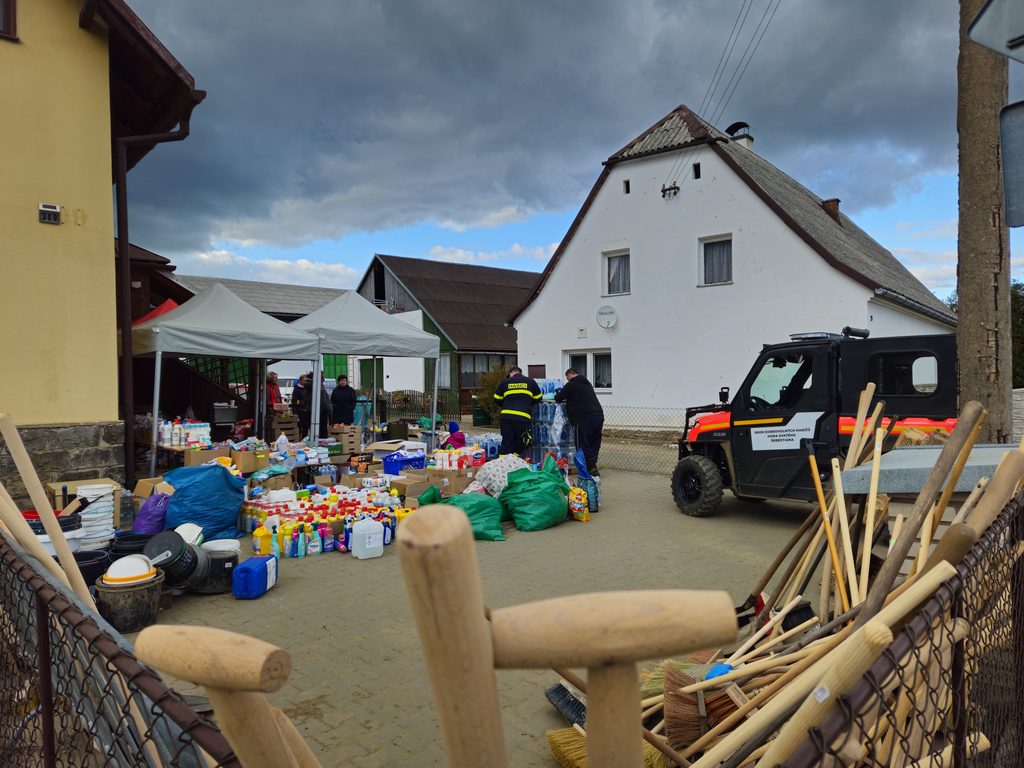
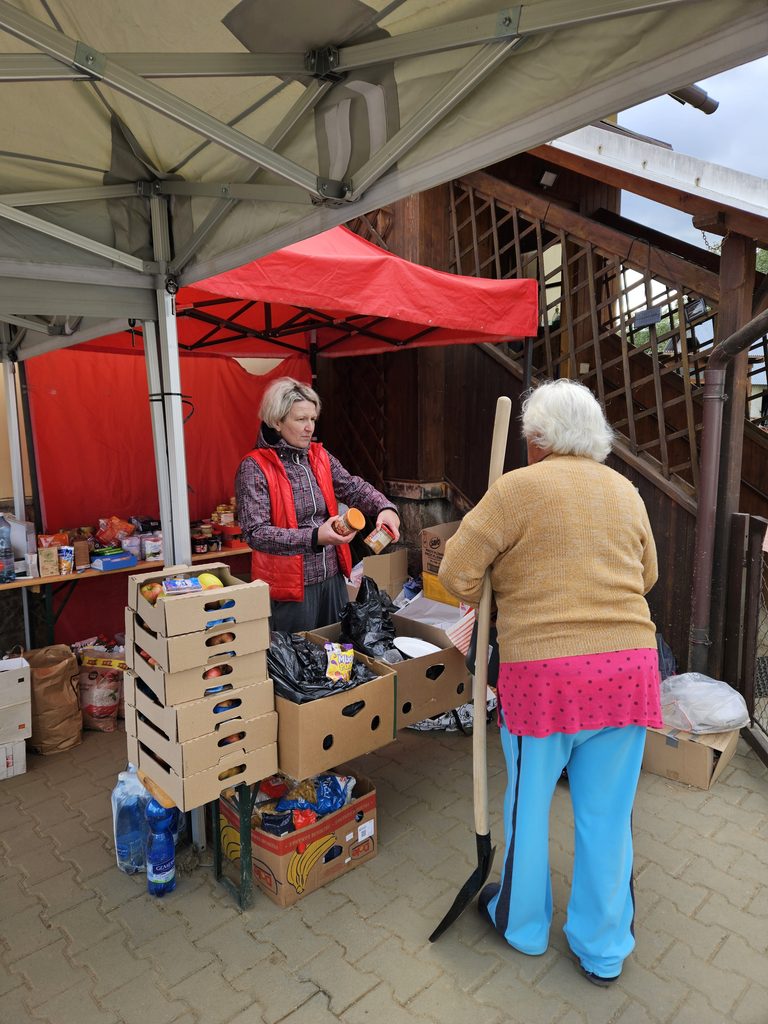
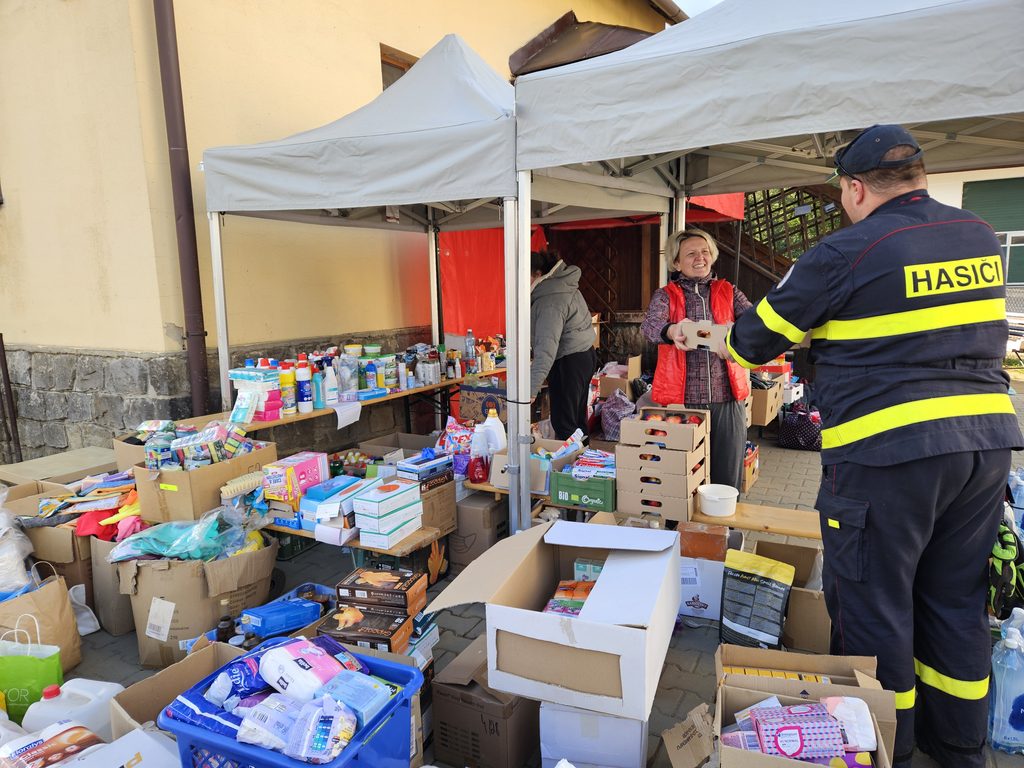
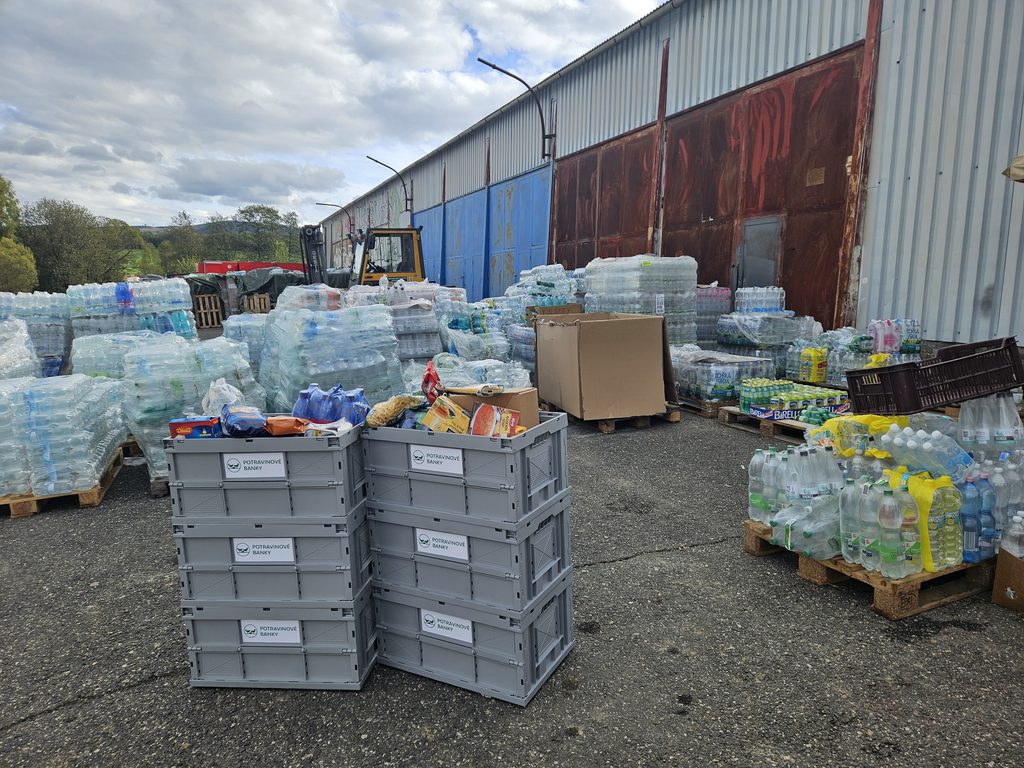
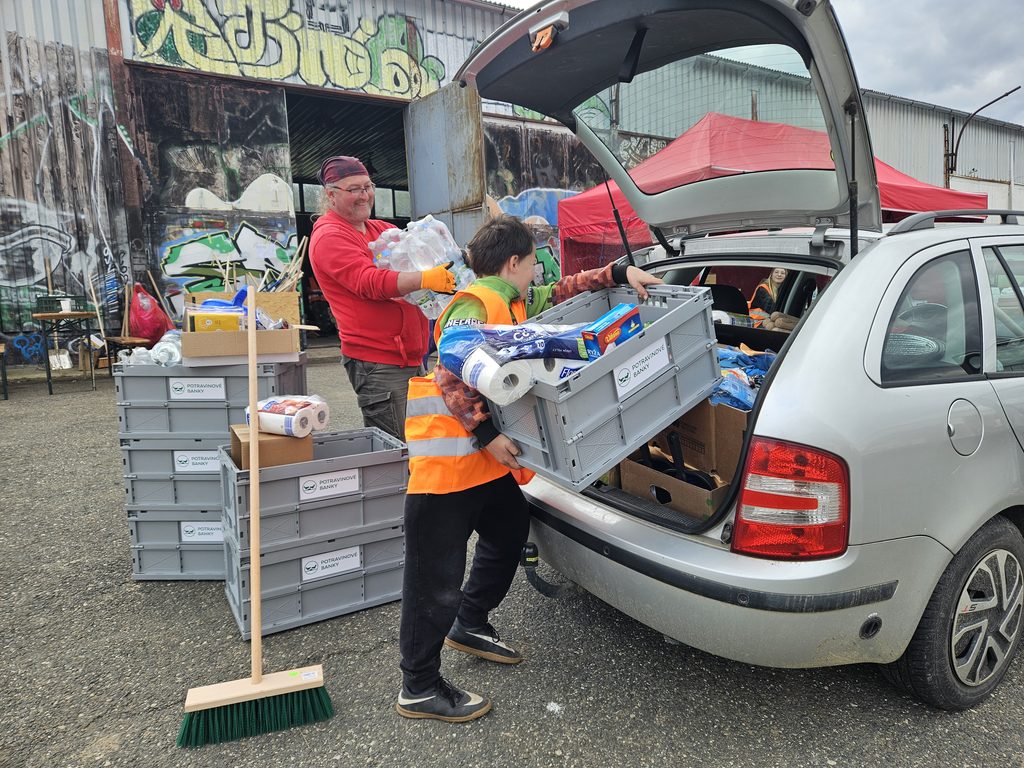
Česká Federace Potravinových Bank (Czech Republic) shared timely and practical examples of the supportive role of food banks during a crisis on the Morning Insight Session in April. Vendula Seifertová and Rostislav Ráček shared their experiences on recent emergencies in their region, including COVID-19. The arrival of Ukranian refugees, the 2022 tornado, and the devastating floods of autumn 2024.
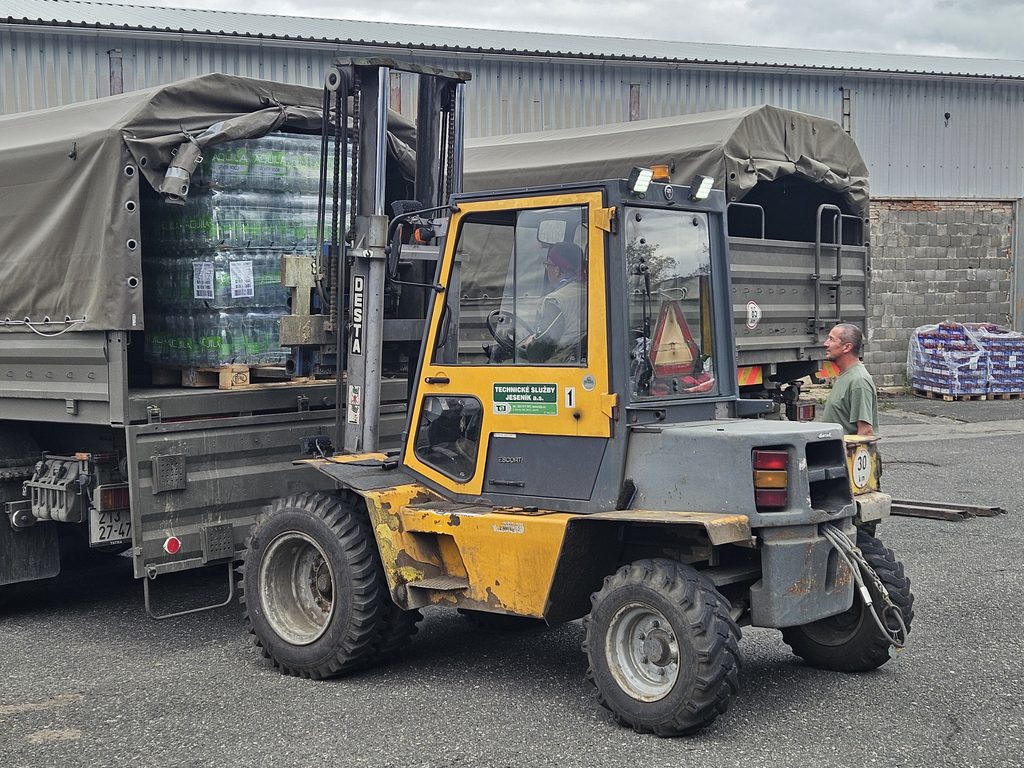
Crisis preparedness has become a third pillar of the food bank’s activity, alongside the environmental and social impact. During the 2024 floods, the Czech food banks coordinated food distribution, public aid collection points, large company donors, warehouse capacity, logistics, and fundraising. More than 300,000 people contributed donations, while over 1,400 tonnes of aid and more than 100 trucks were mobilised to support affected communities.
Food Banks are Essential for the National Crisis Response Infrastructure
Learning from these experiences, it is important to clearly define the role of food banks within national crisis response systems. The Czech Federation now works closely with public authorities, emergency services, municipalities, retailers, manufacturers, and other NGOs. Their experience shows that effective crisis response requires pre-agreed cooperation frameworks, prepared teams, emergency contacts, warehouse capacity, rapid fundraising, and ready-to-use communication materials.
Cooperation, Communication, and Capacity are Crucial in Crisis
Now, the Czech Federation has strengthened its preparedness by allocating 100 pallet spaces for crisis stock, including non-perishable food, ready-to-eat meals, drinking water, baby food, hygiene products, and other essential items. They are also developing a cooperation memorandum to ensure that staff, vehicles, equipment, and communication capacity can be activated within 72 hours in case of an emergency.
Food banks can become trusted strategic partners in crisis response, thanks to their logistics expertise, strong local networks, and ability to mobilise public and corporate support quickly.