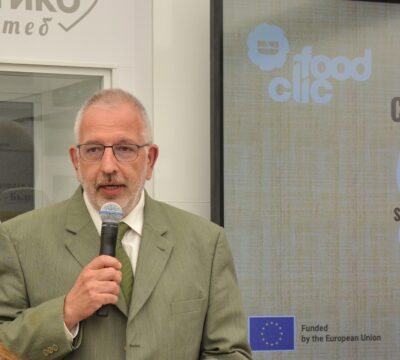
Fondazione Banco Alimentare (Italy) presented the first results of a new study exploring the role of the retail sector in food surplus recovery and food waste reduction in Italy at the TUTTOFOOD 2026 event. Conducted together with the Food Sustainability Lab of the POLIMI School of Management (Politecnico di Milano and Fondazione per la Sussidiarietà), the research finds that the Italian retail sector donates more than 48,000 tonnes of food every year for social purposes, with an estimated value of 229 million euros, and around 1,680 companies are currently involved in food donation activities. However, it also shows that food donation is still far from being a standard practice: only around half of retail companies donate surplus food on a regular basis.
Key Findings of the Study
One of the main findings is the big difference between companies of different sizes. While 93% of large retail companies operate structured donation systems, the share drops to 54% among medium-sized companies and to only 43% among smaller businesses. The research highlights that the most successful and sustainable donation systems share several operational characteristics. Food donation works more effectively when companies appoint a dedicated surplus food manager, measure and monitor surplus, and maintain simple and efficient communication with receiving organisations. Also, building stable partnerships with food banks, and cooperating with nearby local charities and food redistribution partners is important.
Another takeaway from the study is that donation programmes driven mainly by reputation or CSR considerations tend to be less durable over time. In contrast, companies that integrate food donation into their operational and supply chain processes achieve more stable and higher-volume redistribution systems.
Retail Sector’s Potential in Achieving the EU Food Waste Targets
According to Banco Alimentare, one of the priorities for the coming years is to make food donation increasingly economically competitive for retailers: The study underlines that donating surplus food may be financially more sustainable than heavy discounting or disposal. This is particularly relevant considering the European Union’s new target to reduce food waste by 30% by 2030.
The findings demonstrate that stronger partnerships between food banks and the retail sector can play a crucial role in achieving these goals for a future where food is not wasted.