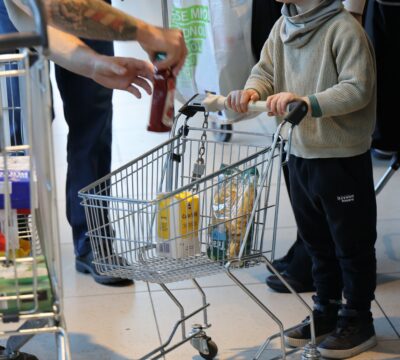
FødevareBanken and Salling Group are scaling up their successful MadPlus partnership, aiming to make it a new national standard for handling surplus food from retail stores in Denmark. The model is based on local, direct pick-ups from stores, FødevareBanken’s national logistics capacity, and close cooperation with social organisations across the country. Launched in 2025, MadPlus already connects 520 stores with local social organisations across Denmark. In its first year, the partnership redistributed 1,137 tonnes of surplus food, turning products that might otherwise have gone to waste into meals for people in need. The ambition is to include all Salling Group stores in Denmark by the end of 2027 and to open the model to other retail actors as well. “The results show that much more food can be saved when retailers and civil society work closely together. There is huge potential in combining local and national forces. We have created a large-scale model and a functioning national infrastructure around retail surplus food redistribution,” says Lea Gry von Cotta-Schønberg, Director of FødevareBanken. The initiative is a strong example of the potential of the delegated distribution model (DDM) for food banks. By combining national coordination with local pick-ups, volunteers and social organisations, food banks can significantly expand their reach and recover more surplus food directly from stores.
FEBA has recently developed a guide on DDM to support members in countries where this model is still emerging. The guide brings together different approaches, practical models and best practices to help food banks assess, design and strengthen delegated distribution systems in their own national contexts.
More information: https://via.ritzau.dk/pressemeddelelse/14940828/fodevarebanken-og-salling-group-gor-succesfuld-model-til-ny-national-standard-mod-madspild
Read more: FødevareBanken Turns Delegated Distribution into a National Standard in Denmark