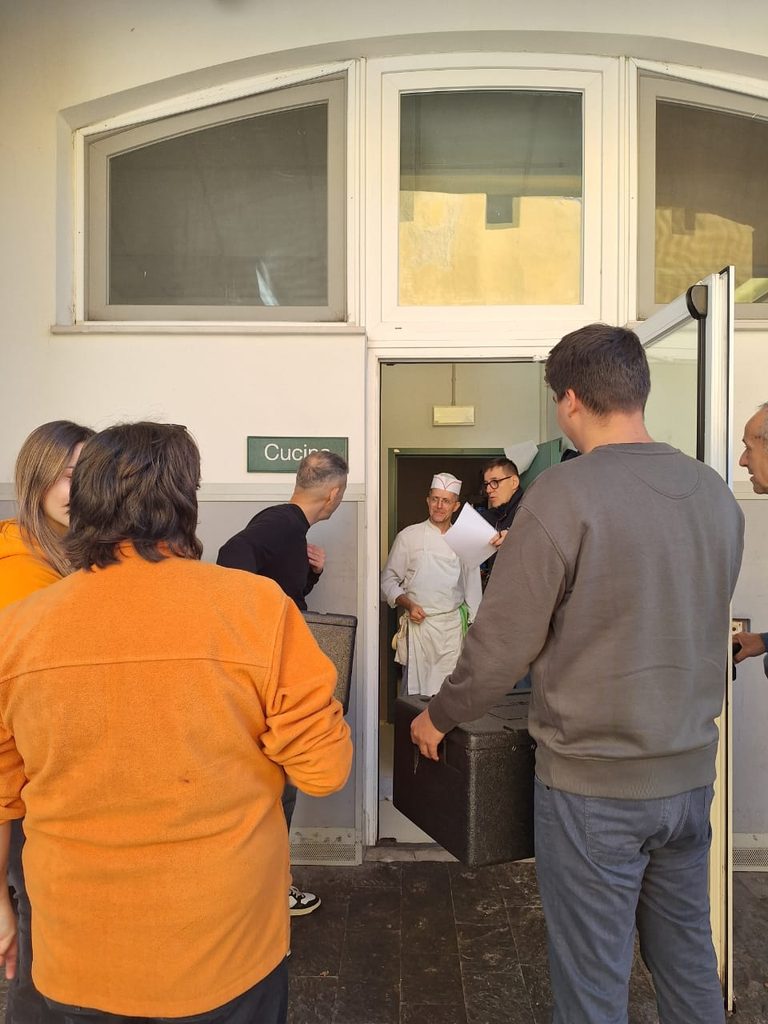
A surplus meal from a school kitchen and a pallet of apples withdrawn from the market have something in common: both can help people facing food insecurity, but neither will reach them without the right logistics.
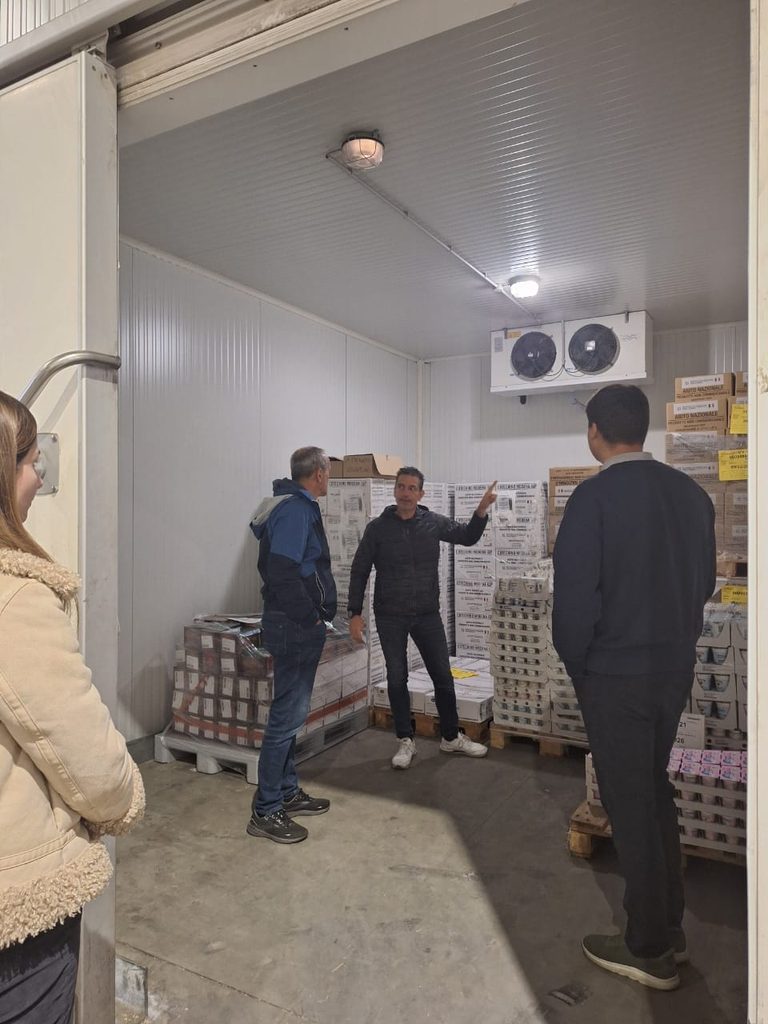
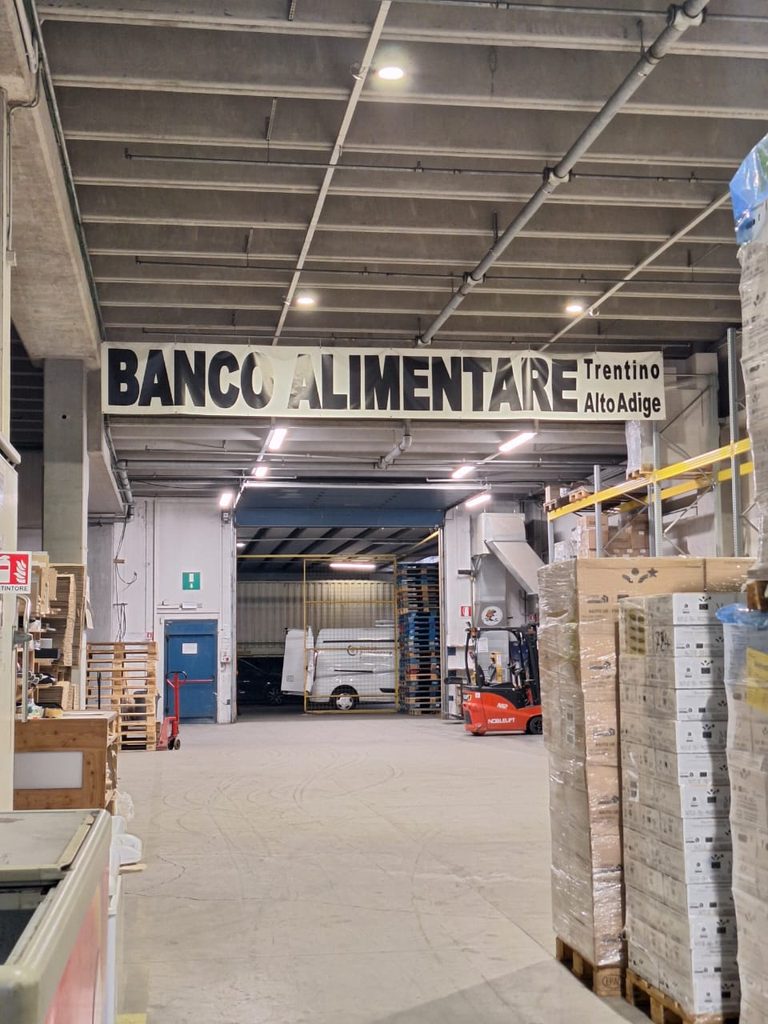
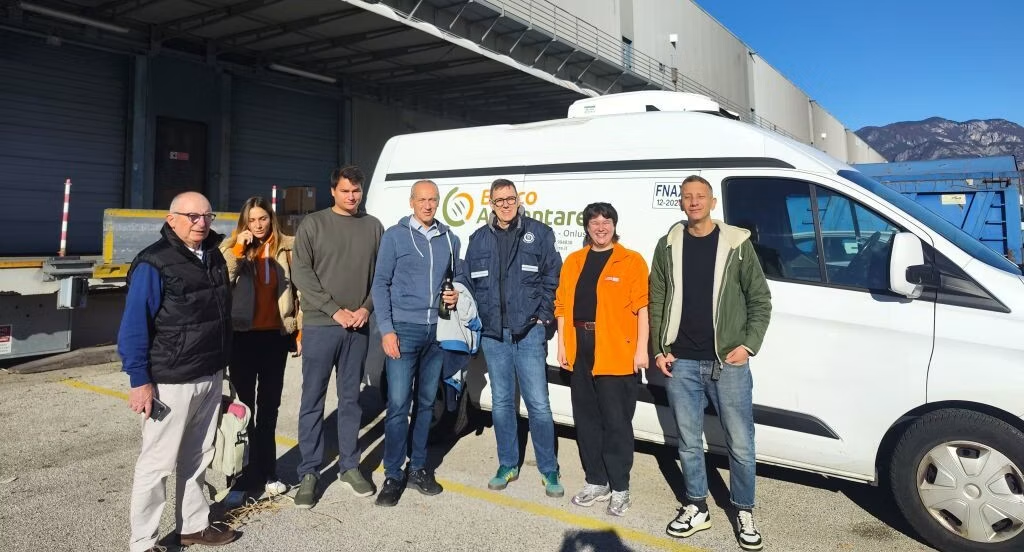
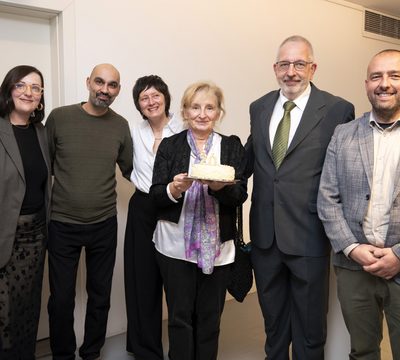
During a peer-to-peer exchange hosted by Banco Alimentare Trentino and attended by Die Tafel Österreich, participants explored how food banks can improve food recovery and redistribution through adaptable logistics, clear responsibilities, information-sharing and strong partnerships.
Through the experiences shared during the exchange, food bankers gained insights into several ways to strengthen their operations:
- Mapping food flows to identify logistical bottlenecks and opportunities for direct collection.
- Clarifying responsibilities for agreements, food safety, documentation and partner training.
- Using digital tools to improve information-sharing and support the planning and monitoring of food collection and redistribution.
- Testing new approaches through pilot projects with selected donors, distribution routes or food categories before scaling them up.
These examples show that successful food recovery is not simply about collecting more surplus food. It requires planned logistics, clear responsibilities, trusted partnerships and sufficient capacity to ensure food reaches people safely and efficiently.