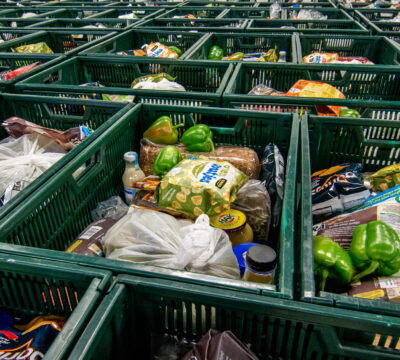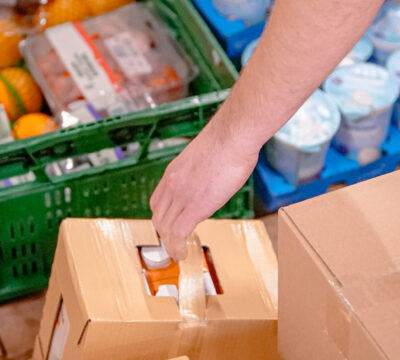
In France, a striking contradiction lies at the heart of the food system: an estimated 9.7 million tonnes of food are lost or wasted every single year. At the very same time, approximately 16% of the French population grapples with food insecurity, forcing millions to compromise on the quality, quantity, and frequency of their daily meals due to tight economic and social constraints.
To bridge this gap, the French government has been actively developing frameworks to curb food loss and waste and redirect perfectly edible surplus food to those who need it most.
A new country report on France, published by the Harvard Law School Food Law and Policy Clinic (FLPC) in partnership with FEBA and The Global FoodBanking Network (GFN), offers a deep look into how the country is handling this challenge. Released as the latest installment of the ongoing “EU Series” under the Global Food Donation Policy Atlas, the report analyzes France’s legal structures and national strategies, offering a roadmap to eliminate remaining barriers to food recovery.
The Path Forward for Food Banking
The findings arrive at a critical juncture as inflation and economic pressures keep food insecurity numbers high across Europe. For food banks and recovery organisations, transforming policy into practice is the next major hurdle. FEBA CEO E. Arriaga emphasised that the sector is fully prepared to collaborate with government officials to maximise impact:
“This report highlights both the achievements made and the opportunities that remain to further strengthen food recovery for human consumption. The food banking movement stands ready to support policymakers and partners to ensure that food reaches people in need, rather than goes to waste.”
Learn More & Explore the Data
- Policy Deep Dive: Review the specific legislative strengths and gaps in the Food Policy in France – The Global Food Donation Policy Atlas.
- The Global Picture: View how France compares to its neighbors on the European Union Interactive Map – The Global Food Donation Policy Atlas.
- Legal Guide: Discover the full report on policy recommendations in France France – Food Donation Law and Policy