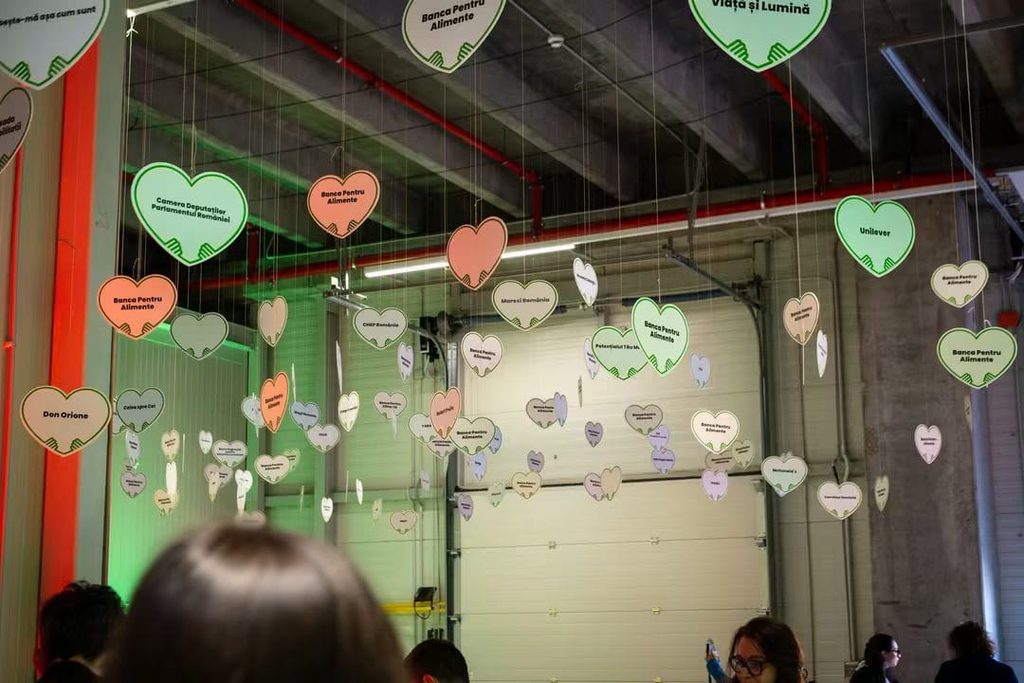
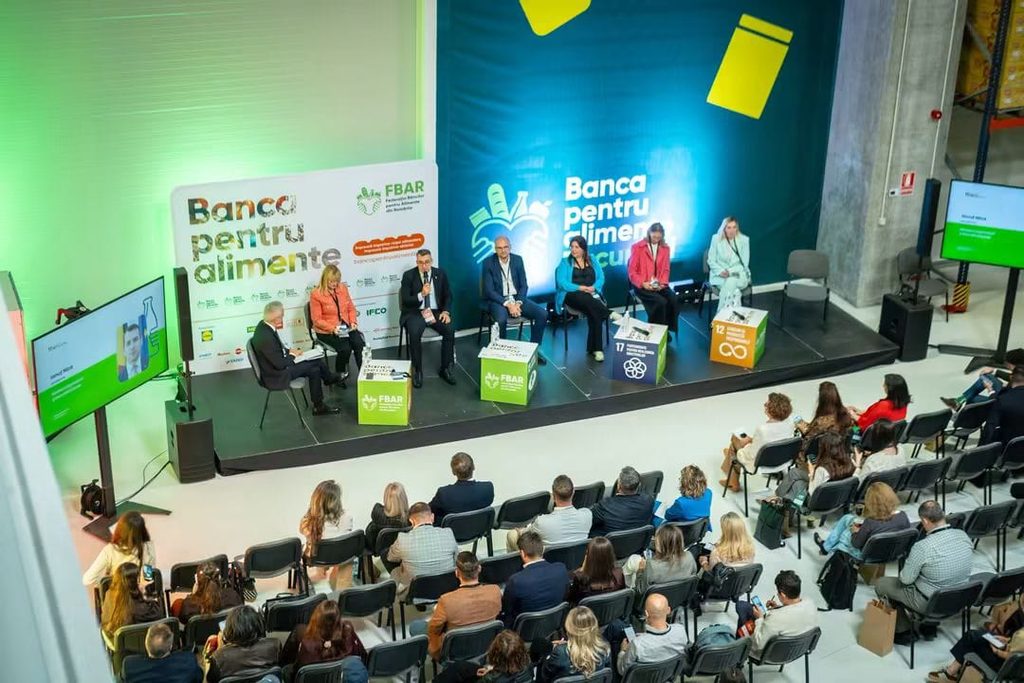
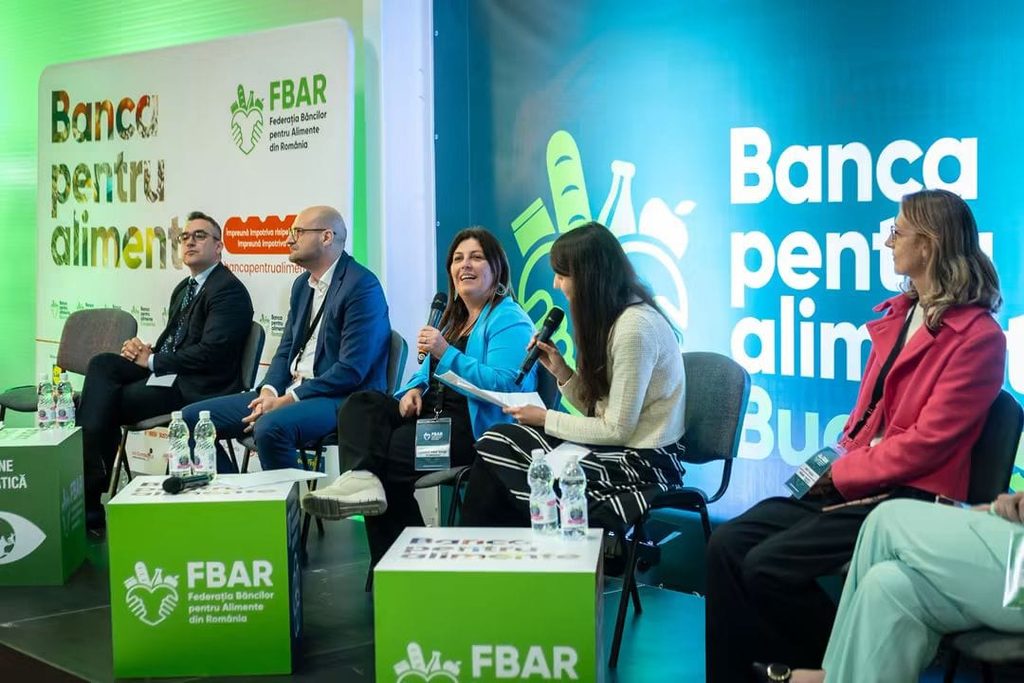
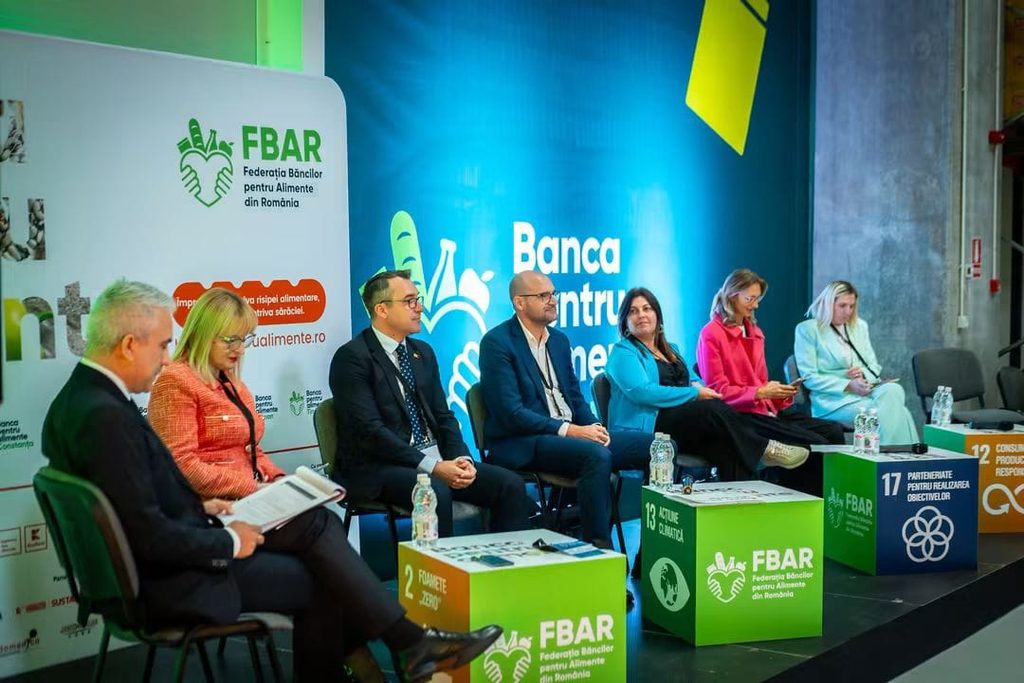
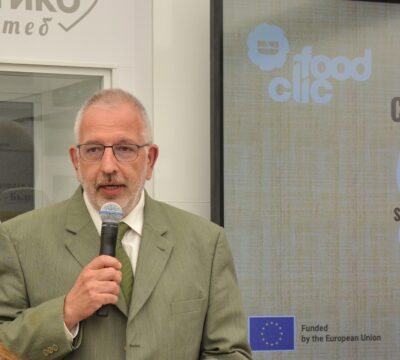
Representing FEBA at the 10th anniversary of the Food Banks Association in Romania (FBAR), Senior Programme Manager Agata D’Addato reflected on the evolution of food banking and the crucial steps needed over the next decade. Here is her perspective on turning policy into practice, reaching fragmented food surplus, and connecting environmental goals with social inclusion.
Q: What was your main takeaway from attending FBAR’s 10th anniversary event?
Agata D’Addato: Anniversaries are a time to look back, but also to ask what needs to happen next. The clearest message was that food redistribution has come a long way—food banks are now widely recognised as essential actors in fighting food waste and supporting those experiencing food insecurity. However, recognition alone is not enough. The last decade was about defining food waste as a policy problem; the next ten years must be about turning that recognition into action at scale.
Q: Where does food redistribution fit alongside food waste prevention?
Agata: Prevention must always come first—the best food waste is food waste that is never generated in the first place. But when safe and nutritious food does remain surplus, we need effective systems to ensure it is redistributed rather than wasted. Across Europe, food banks have built substantial operational experience in logistics, storage, food safety, and traceability. The challenge now is making these systems stronger, more consistent, and scalable.
Q: How does policy, such as the revised Waste Framework Directive, support this shift?
Agata: The revised Directive is a crucial step forward. It introduces binding food waste reduction targets and requires EU Member States to consult food banks and redistribution organisations when designing donation frameworks. Because Member States have until 17 June 2027 to transpose this into national law, our focus must be on practical implementation—ensuring policy translates into workable, on-the-ground solutions that eliminate operational bottlenecks.
Q: What is the biggest operational challenge for food banks today?
Agata: Reach and scale. Traditional food banking developed around large donors like food processors, wholesalers, and major retailers—a model that remains vital. However, significant surplus remains untapped in smaller, more fragmented sources such as bakeries, restaurants, canteens, and primary production. The question isn’t just how much surplus exists, but whether our systems are equipped to collect it.
Q: How can food banks adapt to capture these smaller surplus sources?
Agata: We need a hybrid model that combines traditional warehouse logistics with innovative, decentralised approaches. Methods like delegated distribution allow local charities to collect directly from neighborhood donors while food banks provide oversight, quality assurance, and coordination. Coupled with digital logistics tools, food banks are evolving into system coordinators that connect donors, charities, public authorities, and local communities.
Q: How do environmental goals intersect with social protection and human dignity?
Agata: Food waste is an environmental issue with a profound social dimension. Redistribution connects the environmental goal of waste reduction with the social objective of providing dignified food access. However, food banks cannot replace state social protection or solve poverty alone. Redistribution must be embedded within broader social policies that promote dignity, participation, and long-term inclusion.
Q: What should the focus be for the next decade of food banking in Europe?
Agata: Romania’s journey over the last ten years demonstrates what is possible when civil society, businesses, and public authorities align. Over the next decade, our goal across Europe is not simply to move more food, but to build the financing, partnerships, infrastructure, and policies that allow food redistribution to operate efficiently at scale.
Key Interview Takeaways
Moving from acknowledging food waste to genuinely tackling it requires evolving food banks from traditional logistics providers into system coordinators. By pairing binding legislative frameworks like the revised Waste Framework Directive with modern, hybrid redistribution models, food banks across Europe can bridge environmental waste reduction and social inclusion, turning policy commitments into tangible impact over the next decade.