The Data Summit is FEBA’s annual flagship event on data collection, impact measurement, and evidence-based practice across the European food bank network.
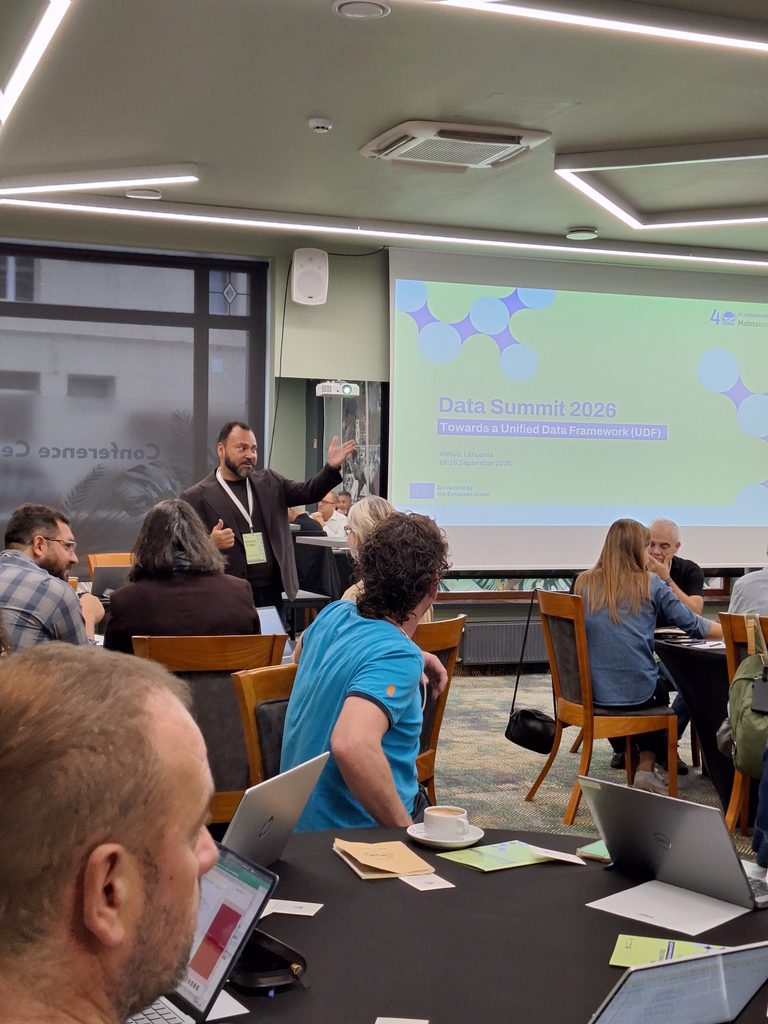
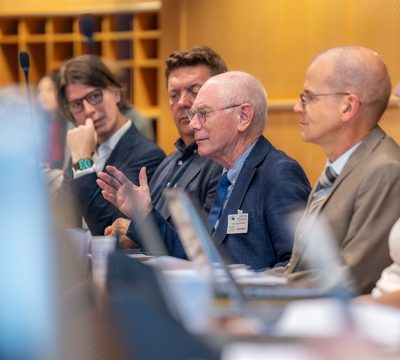
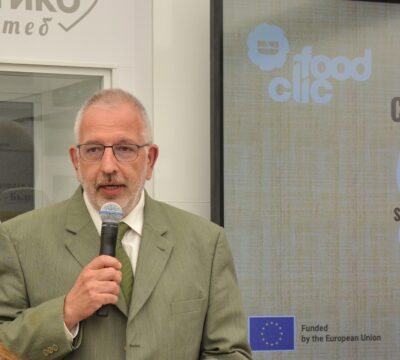
This annual Data Summit took place in Vilnius, Lithuania from the 16 to 18 September and brought together 26 countries to discuss data collection practices and the ongoing development of the network’s shared data guidelines, the Unified Data Framework (UDF).
Over three days, members shared knowledge, strengthened their data capabilities, and explored how better data can support evidence-based decision-making through workshops and presentations.
The discussions highlighted the importance of shared indicators and practices for data collection and reporting, while also recognising the different capacities and operating environments of our members.
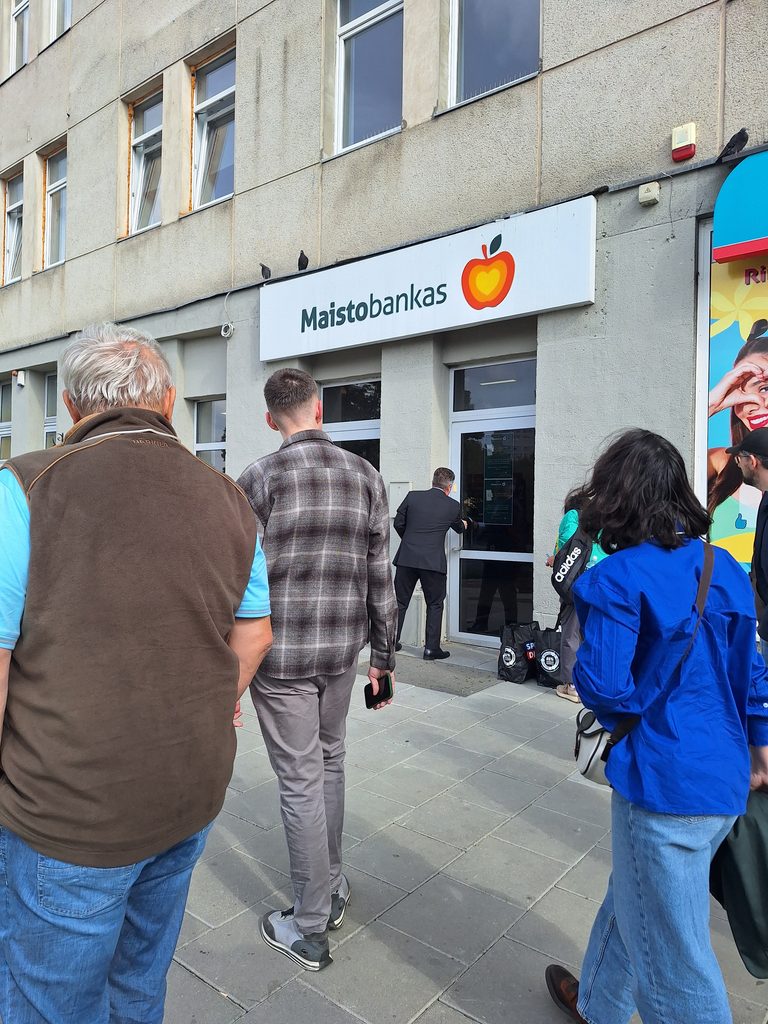
Perspectives From Our Hosting Food Bank Maisto bankas
“We don’t always fundraise – we also try to foodraise.” – Simonas Gurevičius, Maisto bankas, CEO
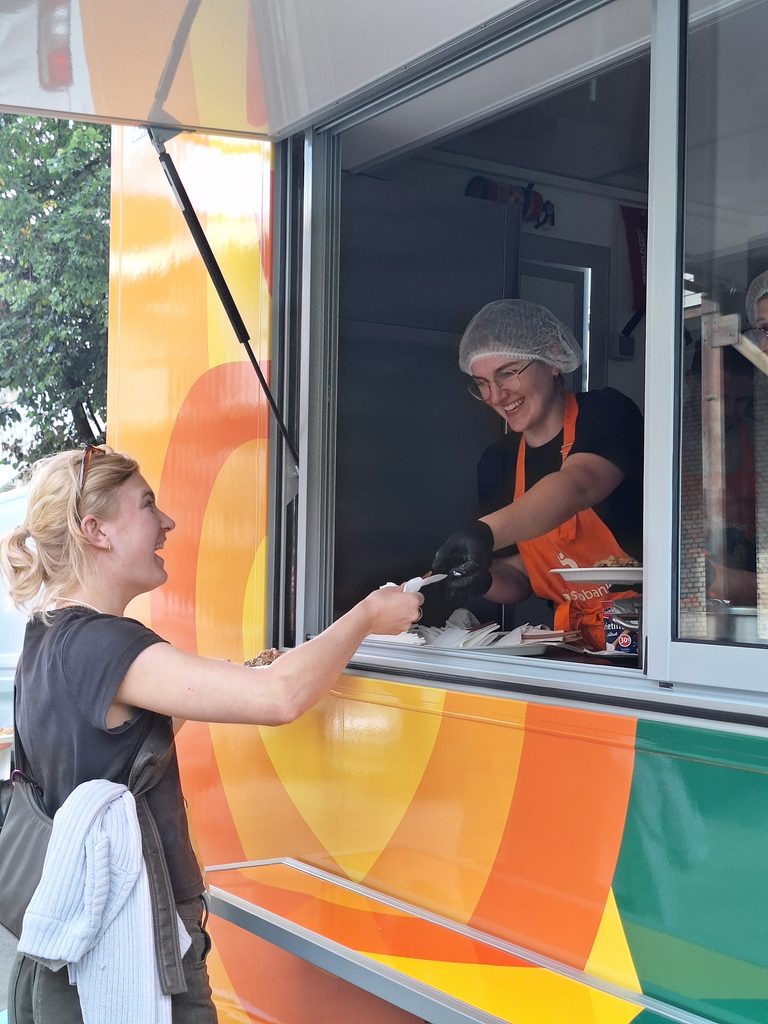
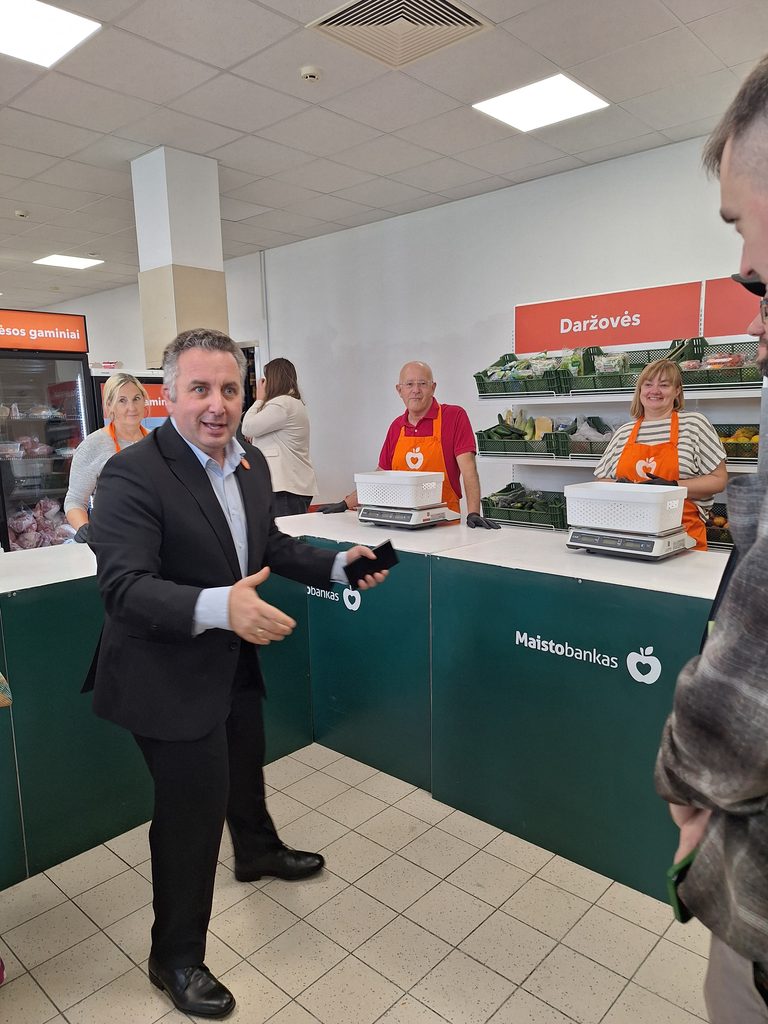
Maisto bankas collects products from around 120 shops daily, with the support of vans, drivers, and around 40 volunteers. The food bank kitchen prepares around 200 meals per day, making use of available ingredients, including plenty of potatoes, in true Lithuanian fashion.
This shows that food banking is about much more than moving surplus food from place A to B. Behind every distribution are questions of dignity, choice, logistics, data, volunteers, partnerships, waste prevention, financial sustainability, and resilience.
What we’re bringing home from the Summit: Understanding Data Beyond Numbers
The Unified Data Framework aims to provide focused and harmonised approach to data collection across the network. The next step is turning the framework into a practical tool that members can adopt at their own pace.
A 93% response rate to FEBA’s latest Data Collection Assessment Survey provides a strong foundation for understanding members’ needs, but peer learning remains essential to identifying challenges and finding practical solutions for data collection.
Collecting reliable data also requires capacity: people, time, funding, and inclusive implementation processes. This is why FEBA focuses on understanding the overall capacity of its members and find ways to support them in a targeted way through programmes and knowledge sharing.
Our goal is not only to collect data. The real value comes from analysing it, learning from it, and using it to demonstrate impact. A warm thank you to Maisto bankas for hosting us, and to all our members for their engagement, enthusiasm, and contributions throughout the summit.