Want to hear the whole conversation?
In the EU, over 58 million tonnes of food are wasted or lost every year, while 42 million people cannot afford a quality meal. At a time of climate change and increasing pressure on resources, we cannot afford to lose edible food to systemic inefficiencies.
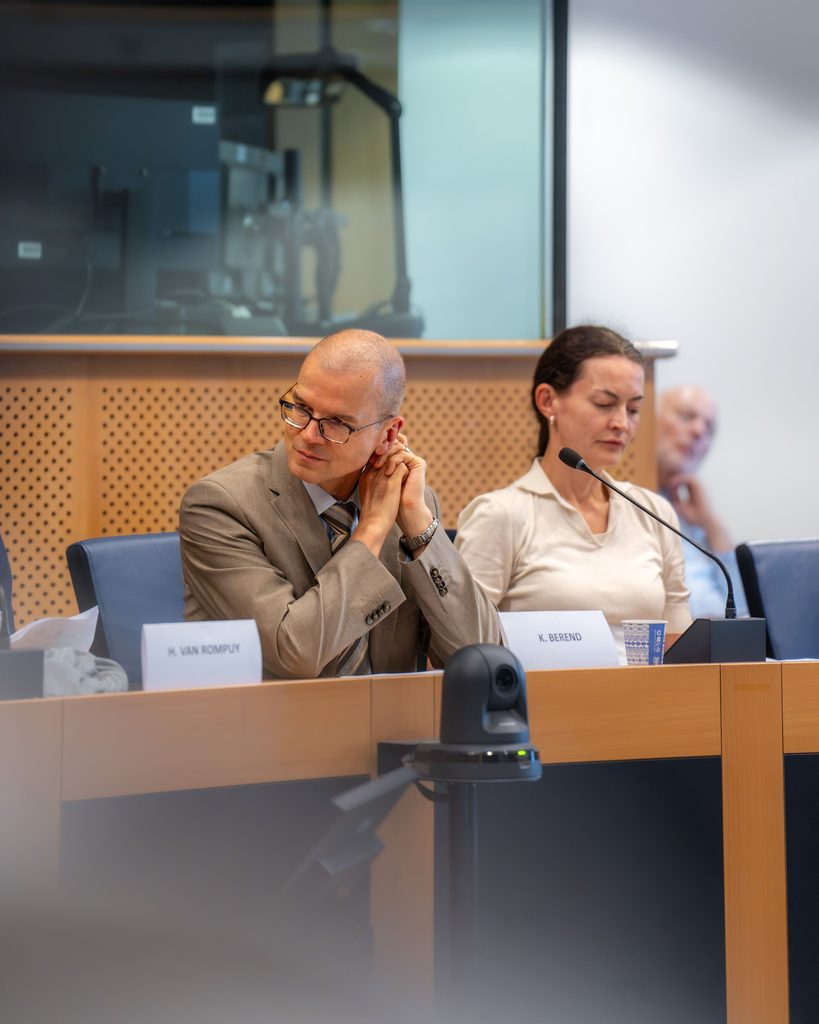
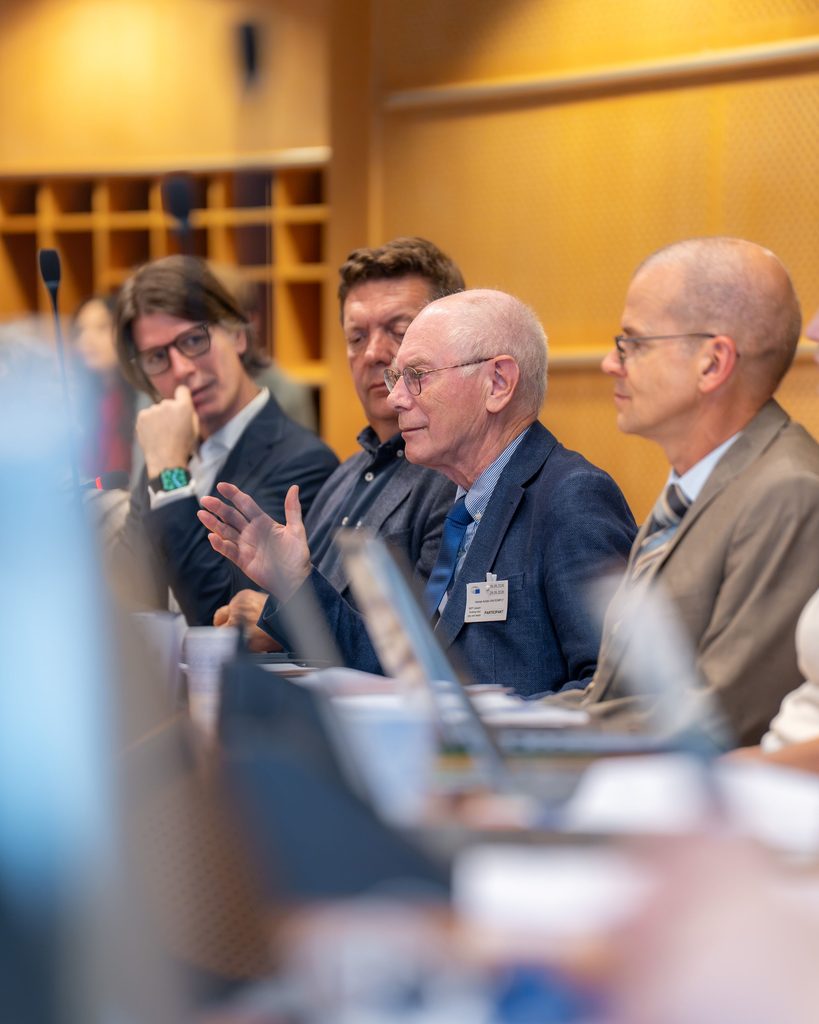
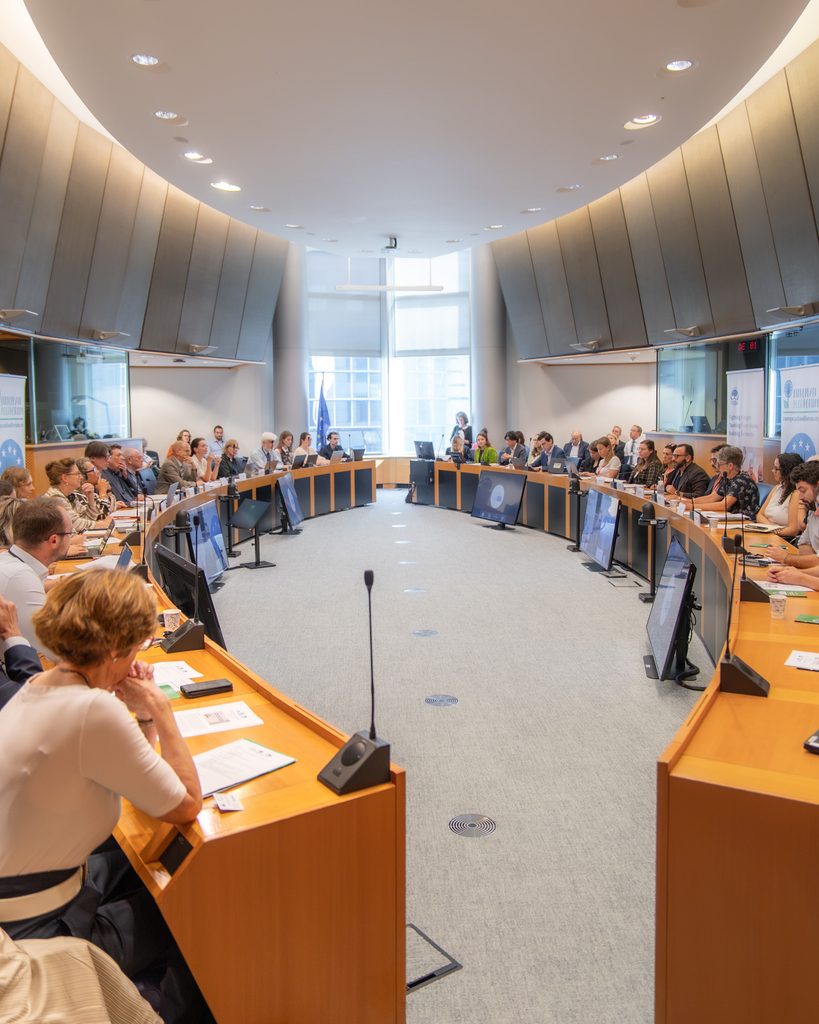
On 29 September, International Day of Awareness of Food Loss and Waste, FEBA and the European Food Forum organised an event at the European Parliament, hosted by MEP Benoît Cassart (Renew Europe), to discuss this urgent challenge.
“Tackling Food Loss and Waste: From Production to Redistribution” explored how EU institutions, policymakers, civil society, businesses and the food banking sector can work together to turn EU policy frameworks into effective action.
The discussion focused particularly on primary production and agriculture, examining the economic, market and regulatory factors that can cause food to remain unharvested or be discarded, while exploring solutions that support food waste prevention, sustainability and the economic viability of farming.
Reducing Food Loss and Waste from Production to Redistribution
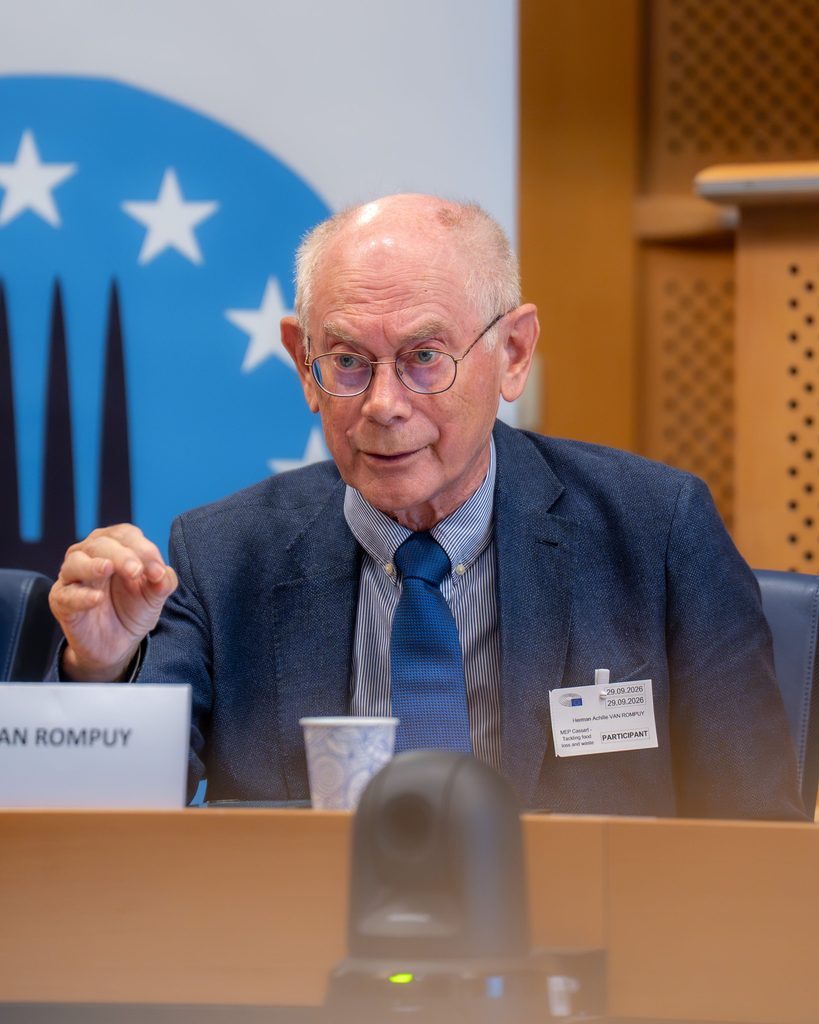
“The paradox is becoming extremely visible in Europe: while we are trying to prevent food waste, people who depend on food aid have increased substantially. This means that food redistribution is not only a tool for preventing waste; it is also a tool for social inclusion. And new surpluses are not only an economic loss. They place a burden on the environment.”
— Herman Van Rompuy, Keynote speaker
Herman Van Rompuy, former President of the European Council, reflected that food banks are more a consequence of poverty than a means of addressing its causes. Without food aid, however, people could fall into extreme poverty. He also expressed strong respect for food bank volunteers who give their time selflessly in a society increasingly shaped by commercialisation and profit, emphasising the importance of putting people before institutional rules.
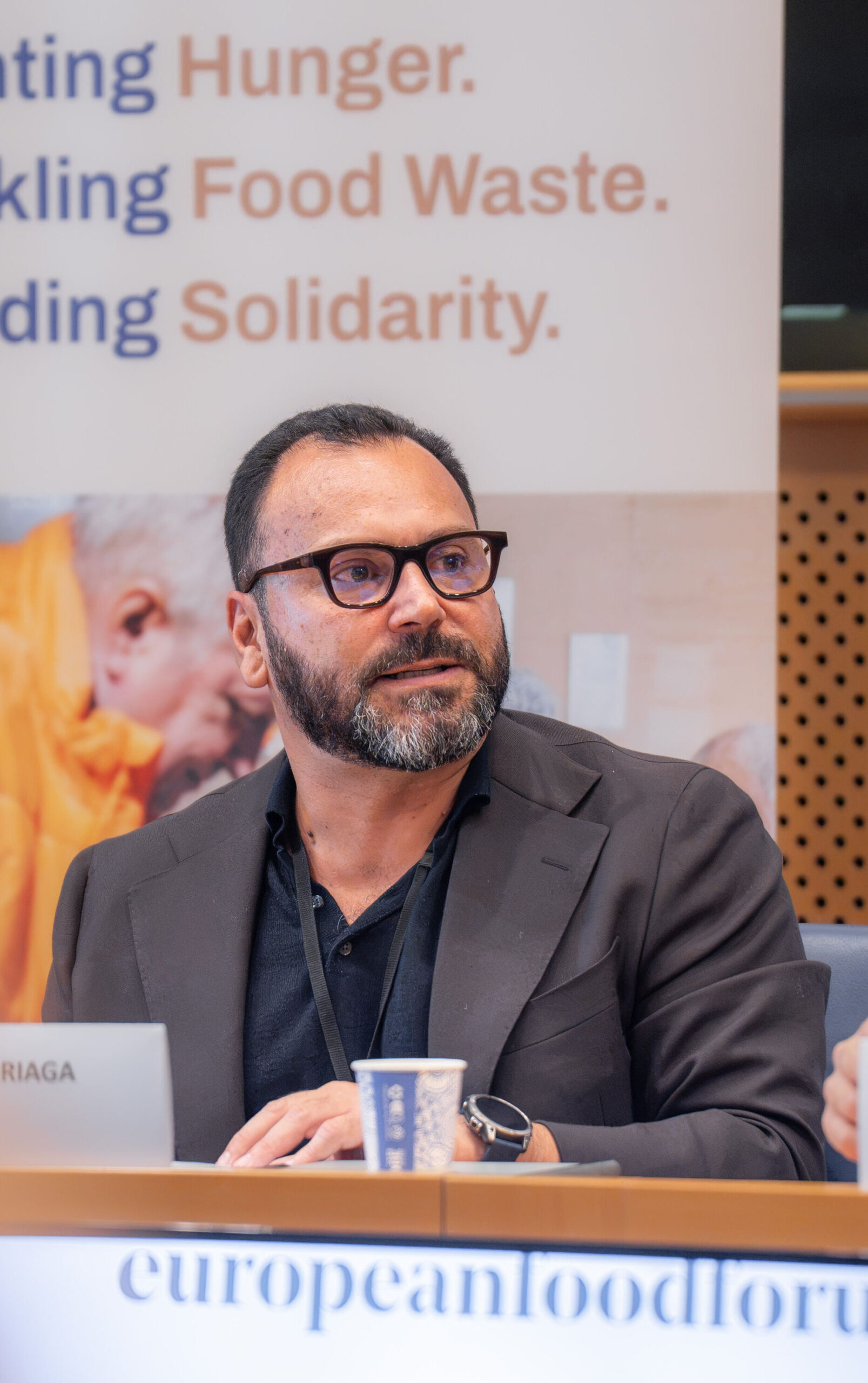
“Every time we save good food from being wasted, we preserve resources, reduce environmental impact, and protect the value of food — for people and for our planet.”
— Esteban Arriaga, CEO of FEBA
The consequences of climate change and environmental degradation, combined with systemic food loss and waste, contribute to food insecurity across Europe. In his opening speech, FEBA CEO Esteban Arriaga stressed that preventing food waste and recovering safe, edible food must be part of Europe’s response to these challenges. Behind every tonne of food wasted are also lost resources, including water, energy and labour.
A Multi-Stakeholder Dialogue Highlights Each Sector’s Challenges and Responsibilities
The event’s host, MEP Benoît Cassart (Renew Europe), emphasised that 16% of greenhouse gas emissions in the European Union’s food system are associated with food waste. He also raised concerns about the increasing number of people relying on food aid, noting that having a job is no longer sufficient protection against poverty.
“We hope to build on our developed national experience internationally.”
— Alex Hurley
Alex Hurley (Permanent Representation of Ireland to the European Union) shared Ireland’s experience of food waste prevention and implementation of the Waste Framework Directive. He also discussed how, as part of Ireland’s current Presidency of the Council of the European Union, the country can raise the visibility of the issue while building on national experience.
“This industry, this value chain, is working together towards the same objective. The main goal is prevention. Then the focus is on redistribution when the food is edible, and reuse and transformation of the output when the food is not edible into energy or other uses.”
— Alessandro Piccione
Alessandro Piccione (FoodDrinkEurope) explained that companies are looking for practical and legislative solutions to reduce food waste and redistribute surplus food. Depending on the scale of production, companies can use different tools, including AI, training and reporting systems. He stressed the importance of clear contractual agreements on food safety, stronger liability protection, and access to tools that can help smaller enterprises make a greater impact and build on existing approaches to food waste prevention and redistribution.
Els Bedert (EuroCommerce) highlighted the importance of communication and cooperation between retailers and farmers. Farmers rely on predictable, reliable markets and a balance between supply and demand. They therefore need support from the retail sector to find alternative markets for products that do not meet consumer expectations and might otherwise remain unharvested or unsold due to a lack of profitability.
Bedert also spoke of the complexity of food donations: transportation, shelf life, traceability and liability requirements can all create challenges for food redistribution. Addressing these challenges requires infrastructure, capacity and coordination.
Olivia Brown (Euroconsumers) highlighted both individual responsibility and the need to make food waste prevention convenient and practical for consumers. As households account for more than half of total food waste in Europe, changing consumer habits is essential.
Nathalie Renaudin (Edenred) spoke to the role the restaurant sector can play, pointing to steps already being taken. Offering smaller portion sizes and allowing customers to take home unfinished meals are practical measures that can significantly cut the waste the industry generates.
How Are European Institutions Responding to the Challenge of Food Loss and Waste?
“Whenever we shorten supply chains or make logistics easier, we avoid waste along the supply chain.”
— Joanna Stawowy
Joanna Stawowy (DG AGRI, European Commission) outlined how the Common Agricultural Policy (CAP) contributes to market stability, creating a more predictable environment for farmers and supporting affordable prices for consumers. She also highlighted food waste prevention measures, including improving farmers’ and workers’ skills, direct payments, rules addressing unfair trading practices, and compensation for non-harvesting.
“Neither Member States nor the Commission can reduce food waste alone. We need all of you, the organisations present here today.”
— Klaus Berend
Klaus Berend (DG SANTE, European Commission) called on all actors across the food supply chain to work together to put policy measures into practice. He highlighted the importance of long-term, viable commitments, identifying barriers to cooperation between businesses and food banks and charitable organisations, and strengthening local cooperation.
The Waste Framework Directive has set binding targets for Member States to reduce food waste and develop food waste prevention programmes by 2030. Berend recognised that a single model cannot fit Europe’s diverse national contexts and therefore emphasised the responsibility of national governments to consult relevant organisations and develop appropriate legal frameworks.
From the Commission’s perspective, Berend also highlighted the EU Platform on Food Losses and Food Waste as a central tool for sharing best practices, fostering exchange and dialogue, and supporting other forms of engagement, including citizen panels and voluntary agreements.
The Role of Food Banks: Connecting Actors Across the Food Supply Chain
Working with farmers, food producers, retailers and other partners, our network rescues safe and nutritious surplus food. With the support of volunteers and charitable organisations, our members help ensure that this food reaches people facing food insecurity.
By rescuing and redistributing surplus food, food banks help preserve the resources and value invested in producing food while ensuring that more good food reaches people who need it.
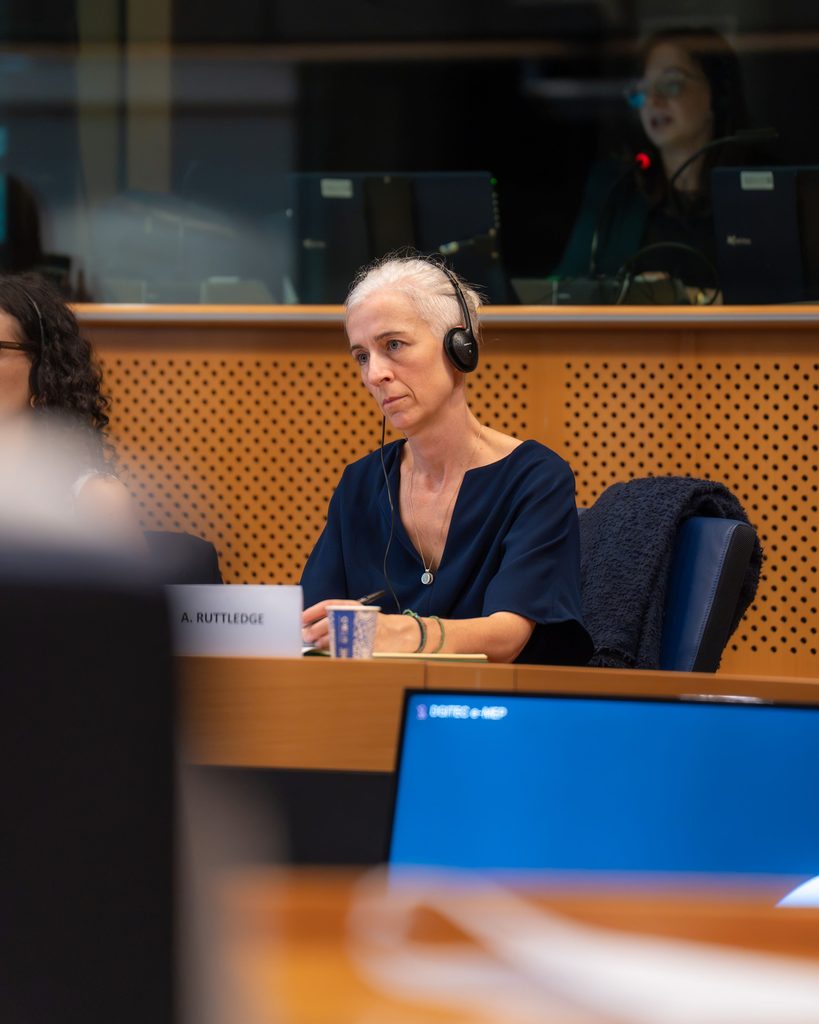
Angela Ruttledge from FoodCloud emphasised the importance of empowering local food-sharing models and building community-sector capacity, with support from both local and national governments. Food banks also need sustained investment in redistribution infrastructure, alongside long-term donations and funding.
Preserving Resources, Protecting the Value of Food
We warmly thank our partner, the European Food Forum, MEP Benoît Cassart for hosting the event, and all our speakers for their contributions to this important discussion: Ignazio Corrao (moderator), Herman Van Rompuy, Esteban Arriaga Miranda, Valérie Devaux, Alex Hurley, Klaus Berend, Joanna Stawowy, Els Bedert, Alessandro Piccione, Olivia Brown, Nathalie Renaudin, and Angela Ruttledge.