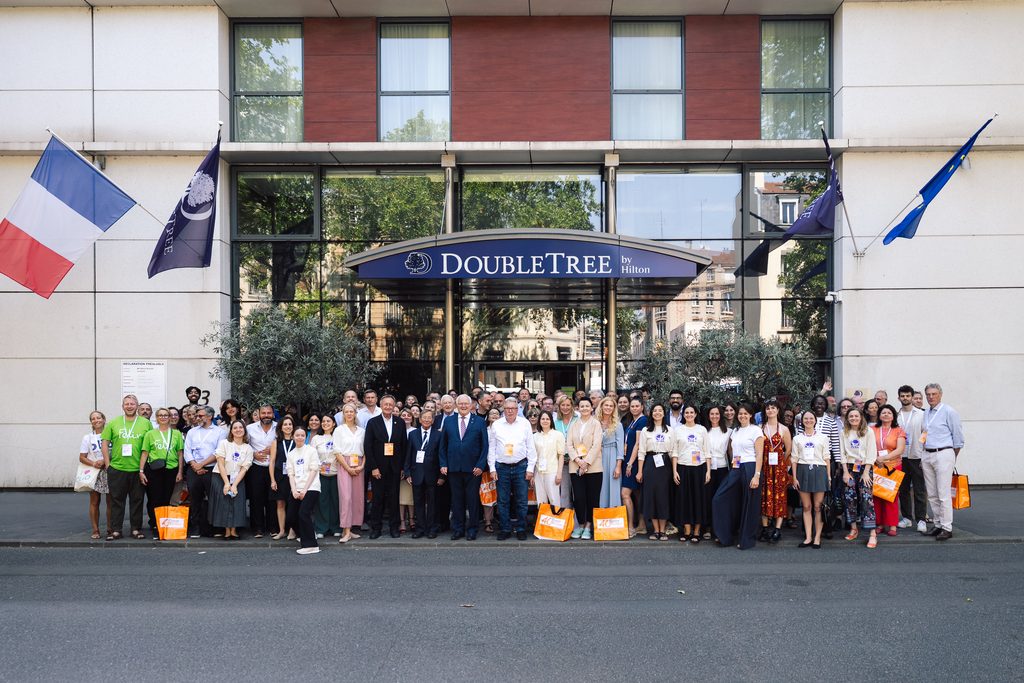
In June 2026, forty years after FEBA was founded, our network came together in Paris, where it all began, reflecting on how far food banking has come. More importantly, we discussed where we need to go next to create even greater impact.
Over the three-day convention, more than 150 participants, including food bank leaders, policymakers, researchers, corporate partners, volunteers and supporters, explored how food banks can strengthen their collective impact in a rapidly changing world, building on our 40-year legacy in the continued challenge of fighting poverty and food insecurity in Europe.
DAY ONE: FEBA Members Discuss the Future of Food Banking in Europe
While we reflected on four decades of solidarity and collaboration, our focus was firmly on the future. The launch of the FEBA 2027–2030 Strategy for European Food Banks set an ambitious goal: by 2030, the FEBA network aims to increase its impact by 20%, helping provide 2.4 billion high-quality meals and reaching 15 million people across Europe each year.
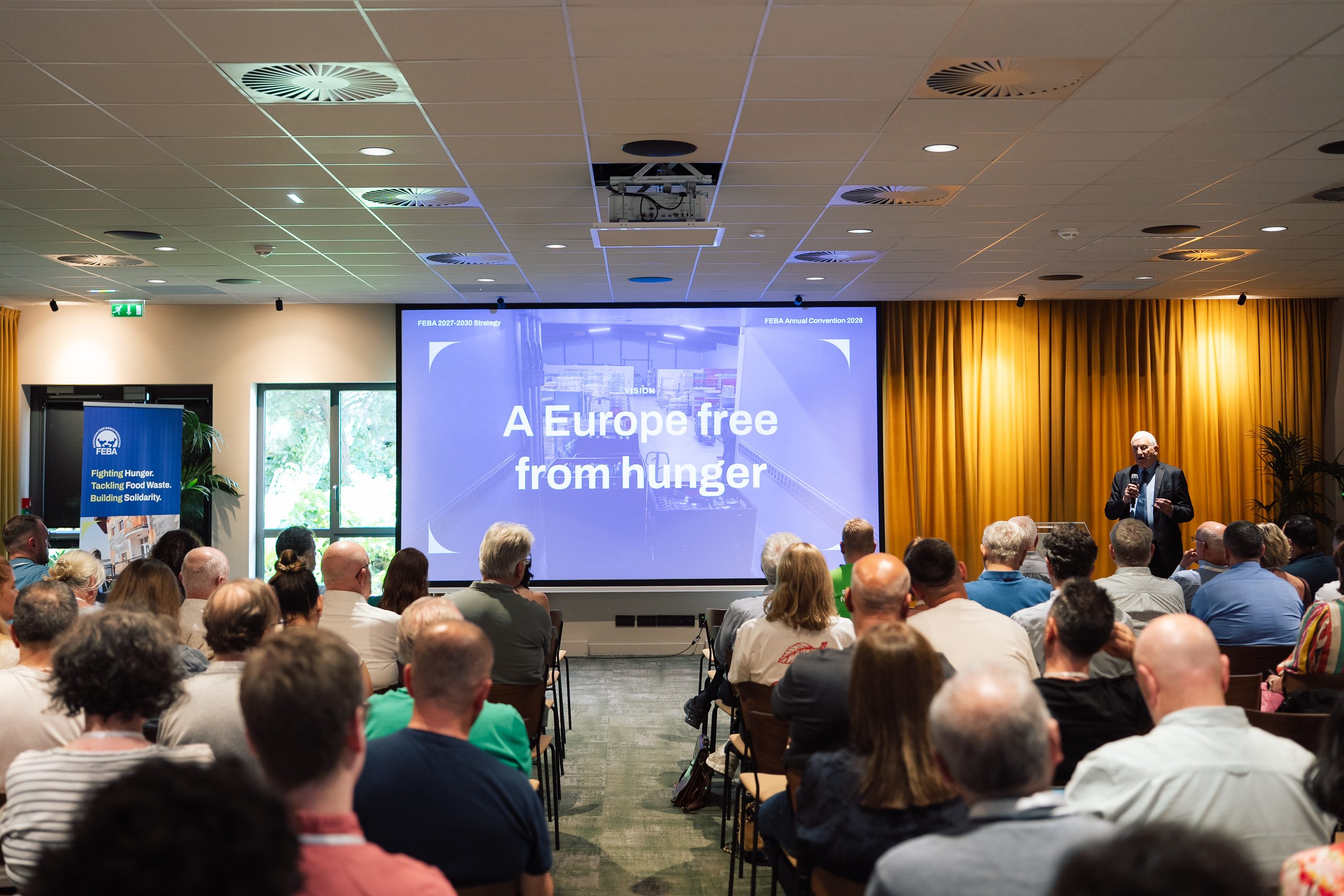
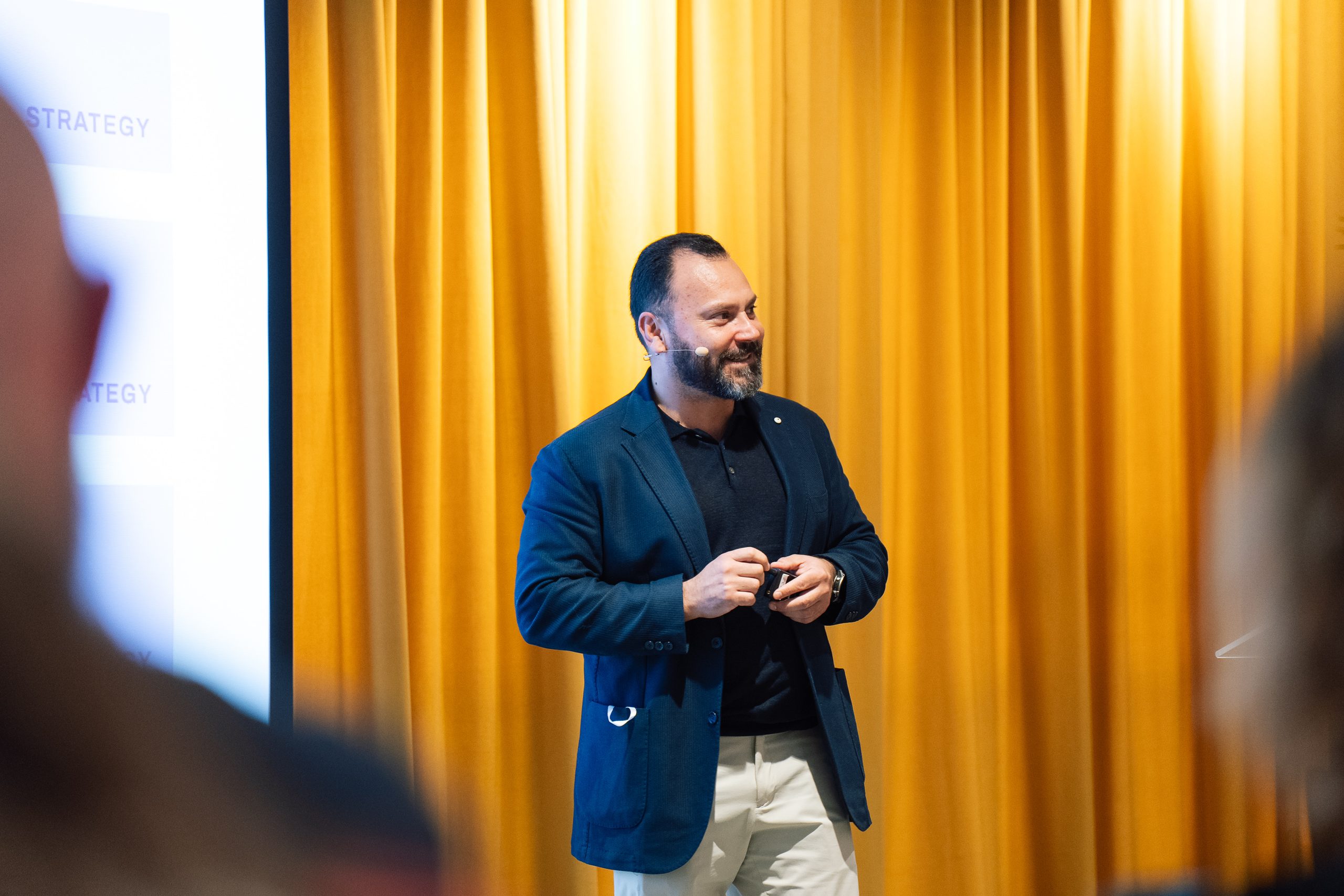
DAY TWO: Reflecting on the Past, Identifying the Present Challenges and Opportunities
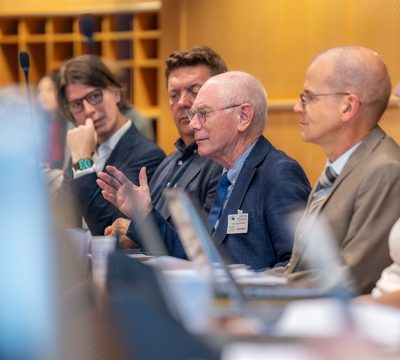
The discussions highlighted both the challenges and opportunities ahead. From food donation legislation, volunteering and youth engagement to diversity, inclusion, climate action and the EU Anti-Poverty Strategy, one message stood out clearly: food banks are adapting and evolving to meet the needs of today while helping build more resilient, sustainable and equitable food systems for tomorrow.
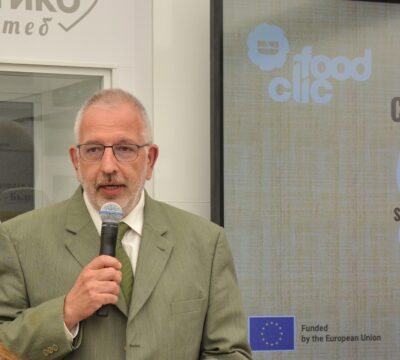
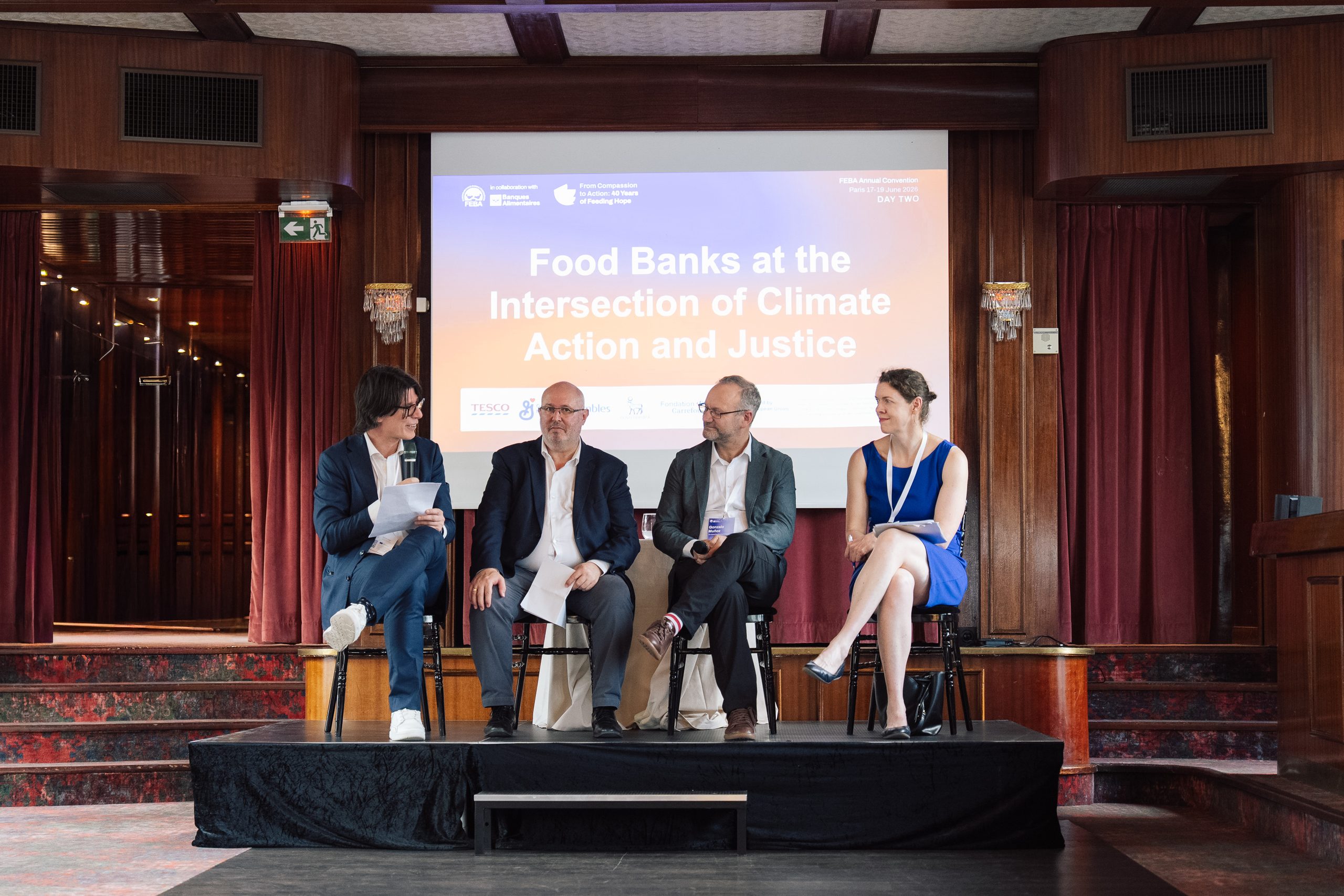
As food insecurity persists and pressure on food systems grows, collaboration is more important than ever. Partnerships across sectors, supportive public policies, adequate funding, and strong food donation frameworks remain essential to ensuring that surplus food reaches people who need it most, while helping reduce food loss and waste. As a keynote speaker, Marie Toussaint reminded us that social justice and environmental issues should not be treated separately: people experiencing poverty and hunger are often in the most vulnerable position when it comes to climate-related disasters. Food banks already work at this intersection.
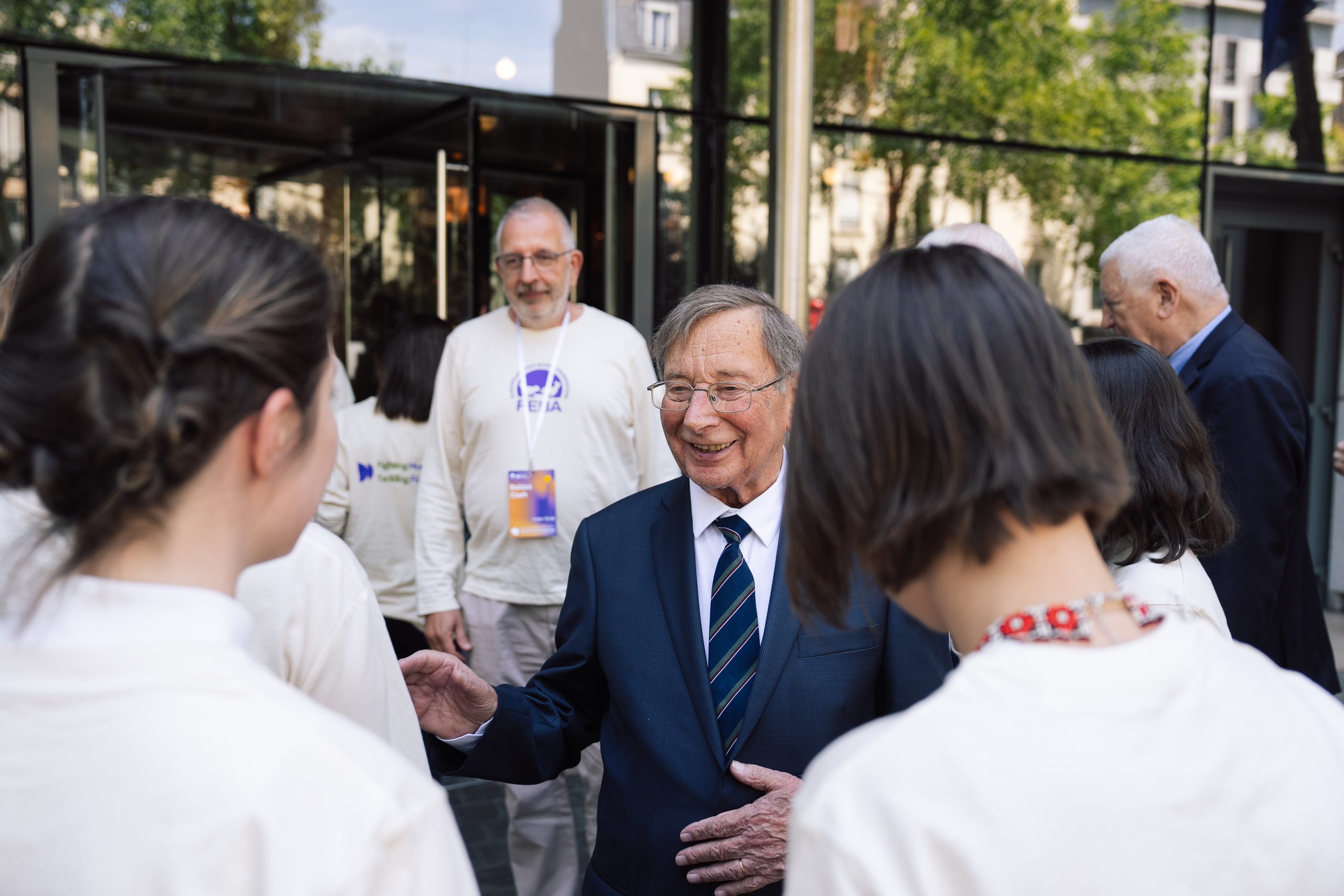
One of the most meaningful moments of the Convention was the tribute to Bernard Dandrel, founder of FEBA and of the first food bank in Europe. His vision laid the foundations for a movement that not only supports people facing food insecurity, but also gives purpose to surplus food within a fairer and more sustainable food system. As we look towards 2030, those same values continue to guide our ambition and our work.
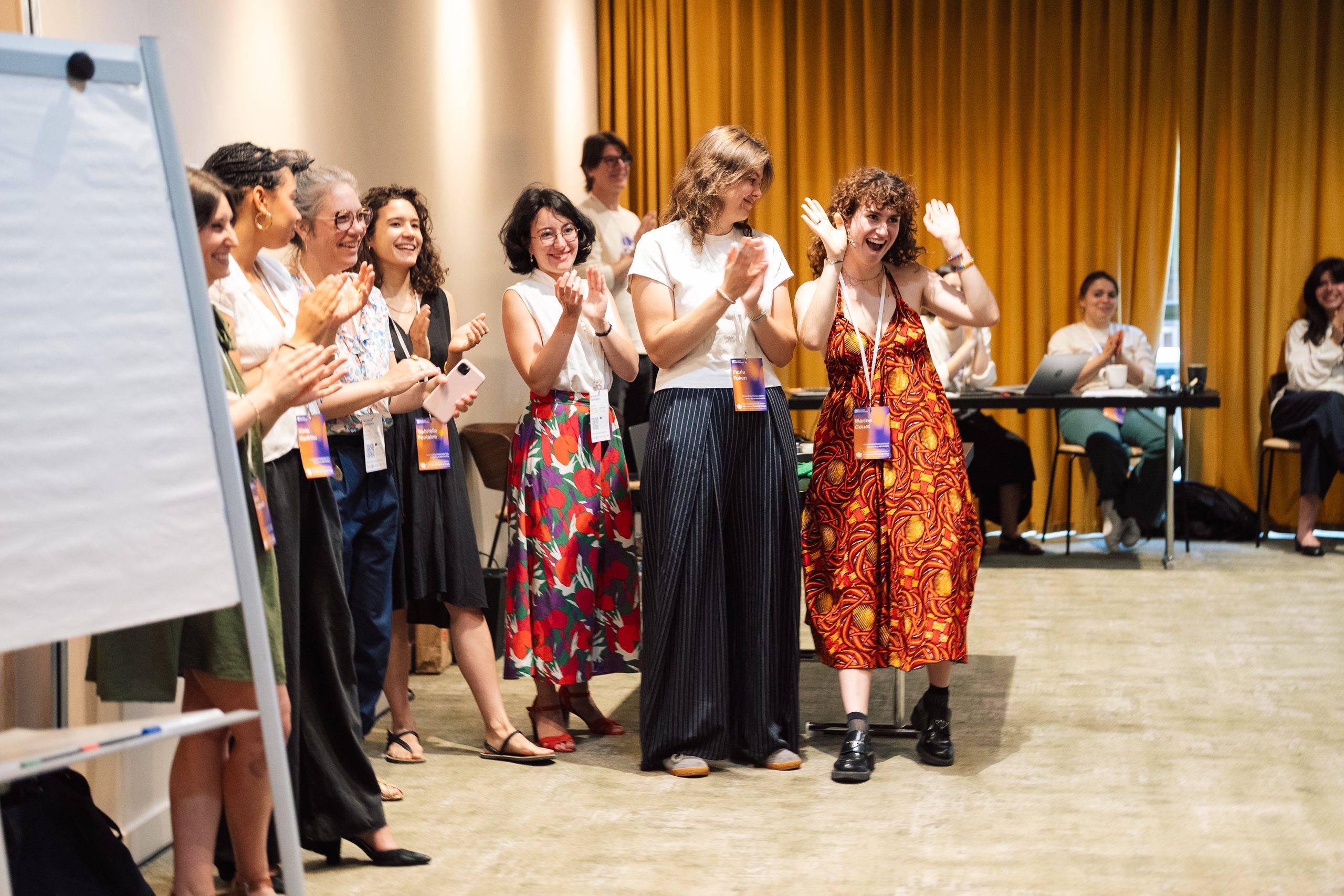
DAY THREE: A Path Forward by Effective Policy Implementation and Multisector Cooperation
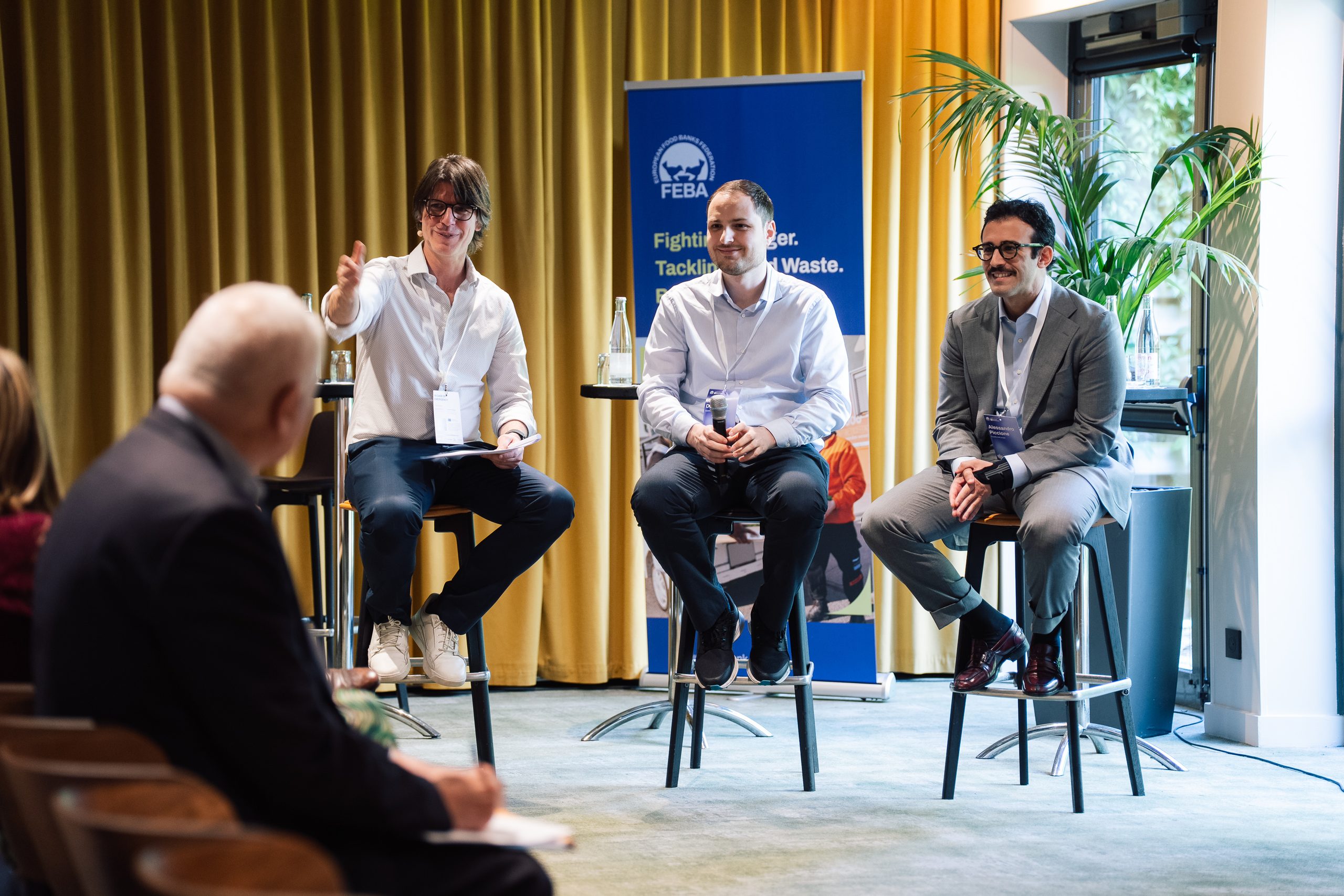
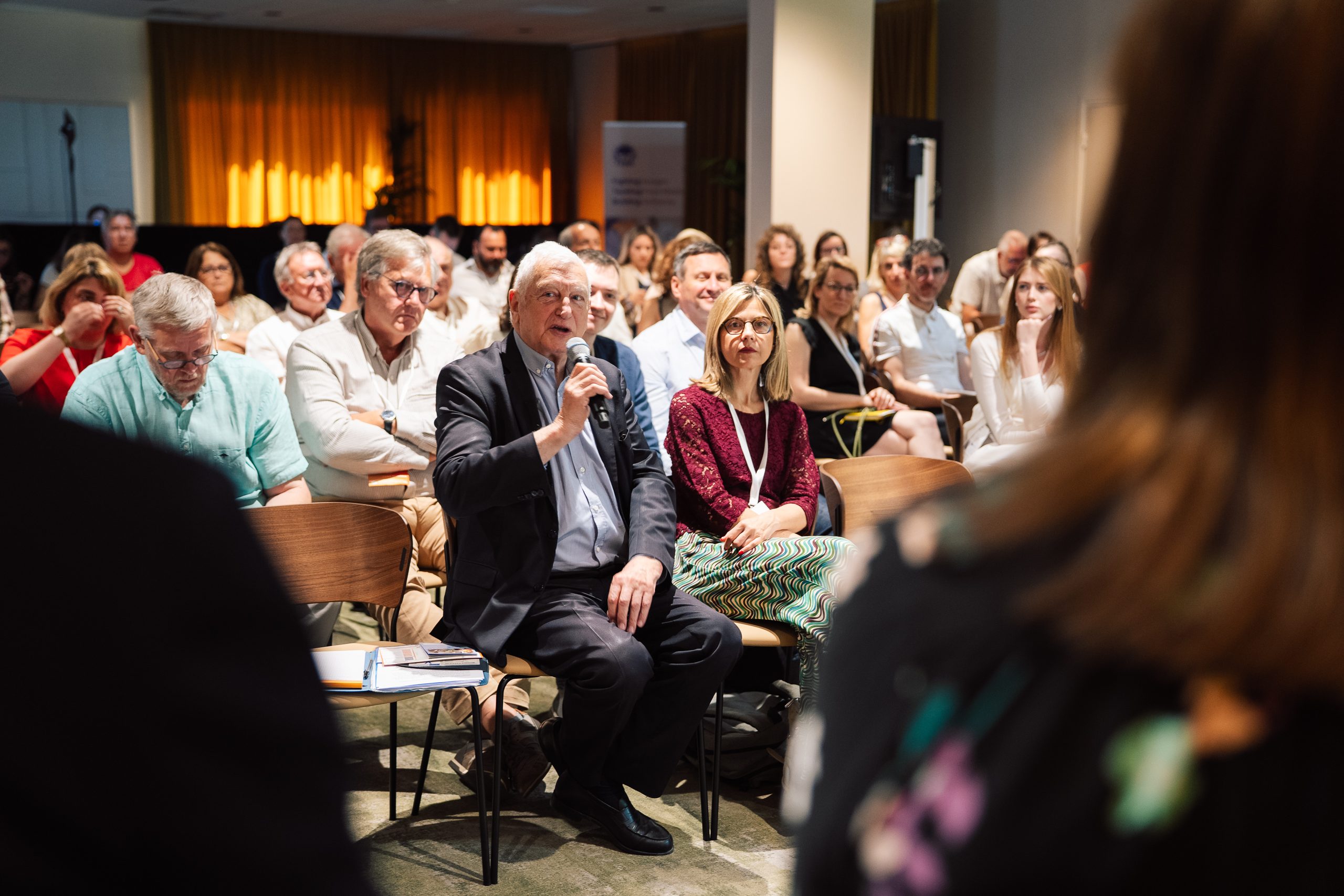
Last but not least, the third day highlighted the current policy research and discussion around food loss and waste. In the panel discussion on ”How legislative changes impact food donation”, it was stressed that food donation systems must be simplified, distinguishing between free donation of surplus food and voluntary donation of commercial goods for solidarity purposes. It was also emphasised that systems must be traceable and based on competence. Policies should reflect the realities of people in poverty, including those experiencing both absolute and in-work poverty, and should be developed in close cooperation with volunteer organisations.
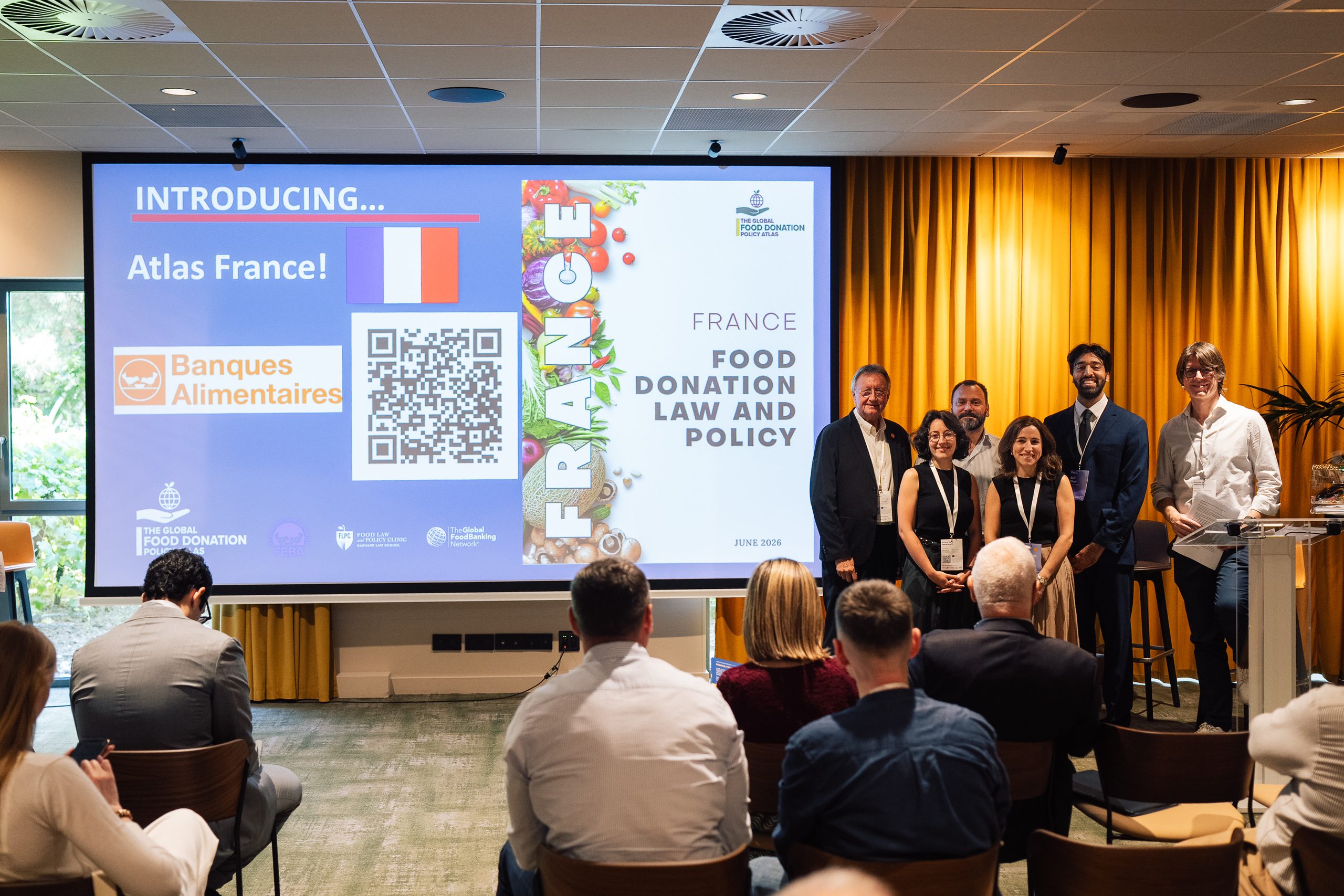
At noon, the new Global Food Donation Policy Atlas Report on France was published, offering the audience and food banking community a positive example of successful food donation and food reduction policies, as France is highlighted as a global pioneer on them.
As social, environmental and economic challenges continue to evolve, food banks must evolve too. Our new strategy reflects that reality: building on 40 years of experience while strengthening our network’s capacity to support more people, rescue more food and increase its collective impact across Europe.
Our sincere thanks to all speakers, partners, sponsors, volunteers and participants who contributed their expertise, energy and commitment throughout the Convention. We would also like to warmly thank to our sponsors, General Mills, Tesco, Brambles, Fondation Carrefour and Novo Nordisk, for their invaluable support, and our colleagues at Banques Alimentaires for helping to make these unforgettable days possible.
40 Years of Feeding Hope: Greetings from the FEBA Members
As a part of our anniversary celebrations, we asked our members to tell us what FEBA means for them and what they hope us to achieve together in the future.